|
Celebrating Keith Haring through Art, Activism, and Education |
 |
|
Haring’s work and advocacy continue to inspire generations, highlighting his powerful message of empathy, solidarity, and action in the fight against HIV. |
|
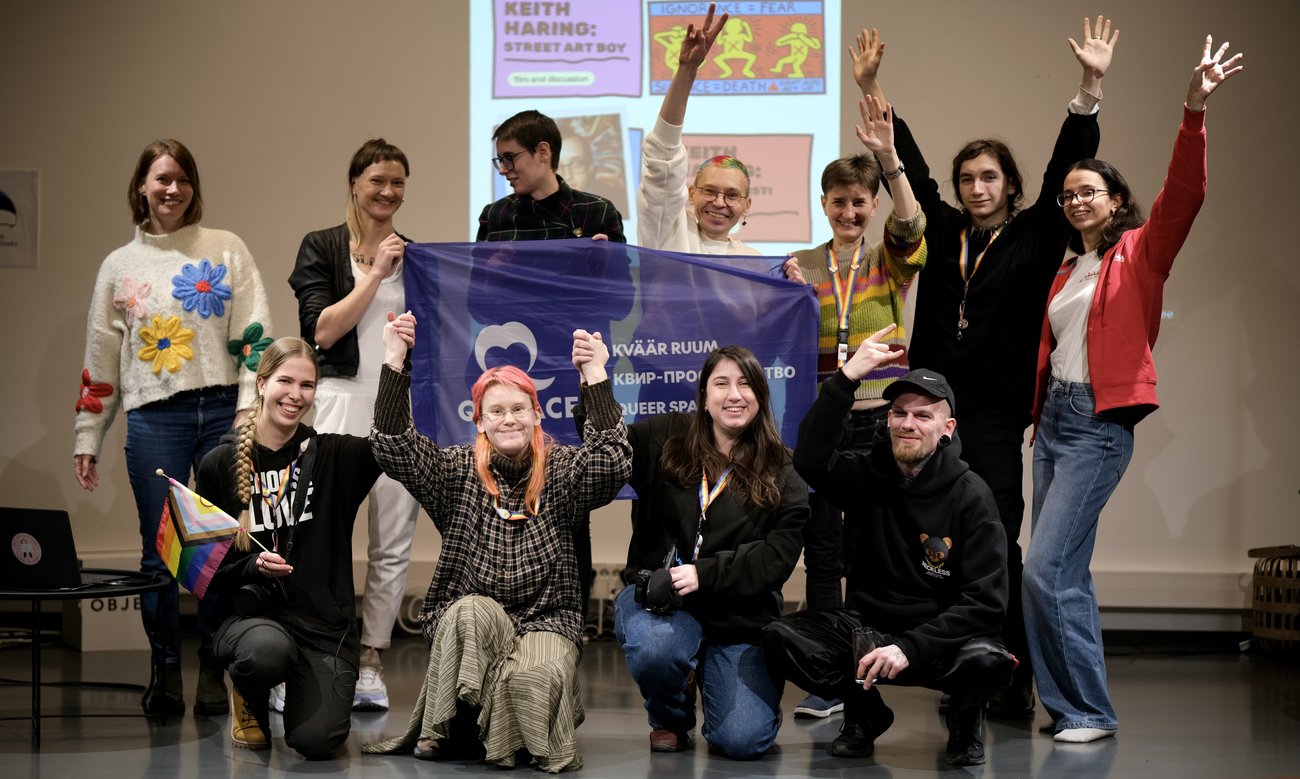
In honor of Keith Haring, an HIV-positive artist and activist who used his art to combat stigma and raise HIV awareness—AHF Estonia joined the LGBTQ+ advocacy organization Q-Space last month for a screening of the late artist's film "Keith Haring: Street Art Boy", which included a Q&A session, engaging youth in discussions on stigma, sexuality education, and HIV prevention. |
|
|
 |
|
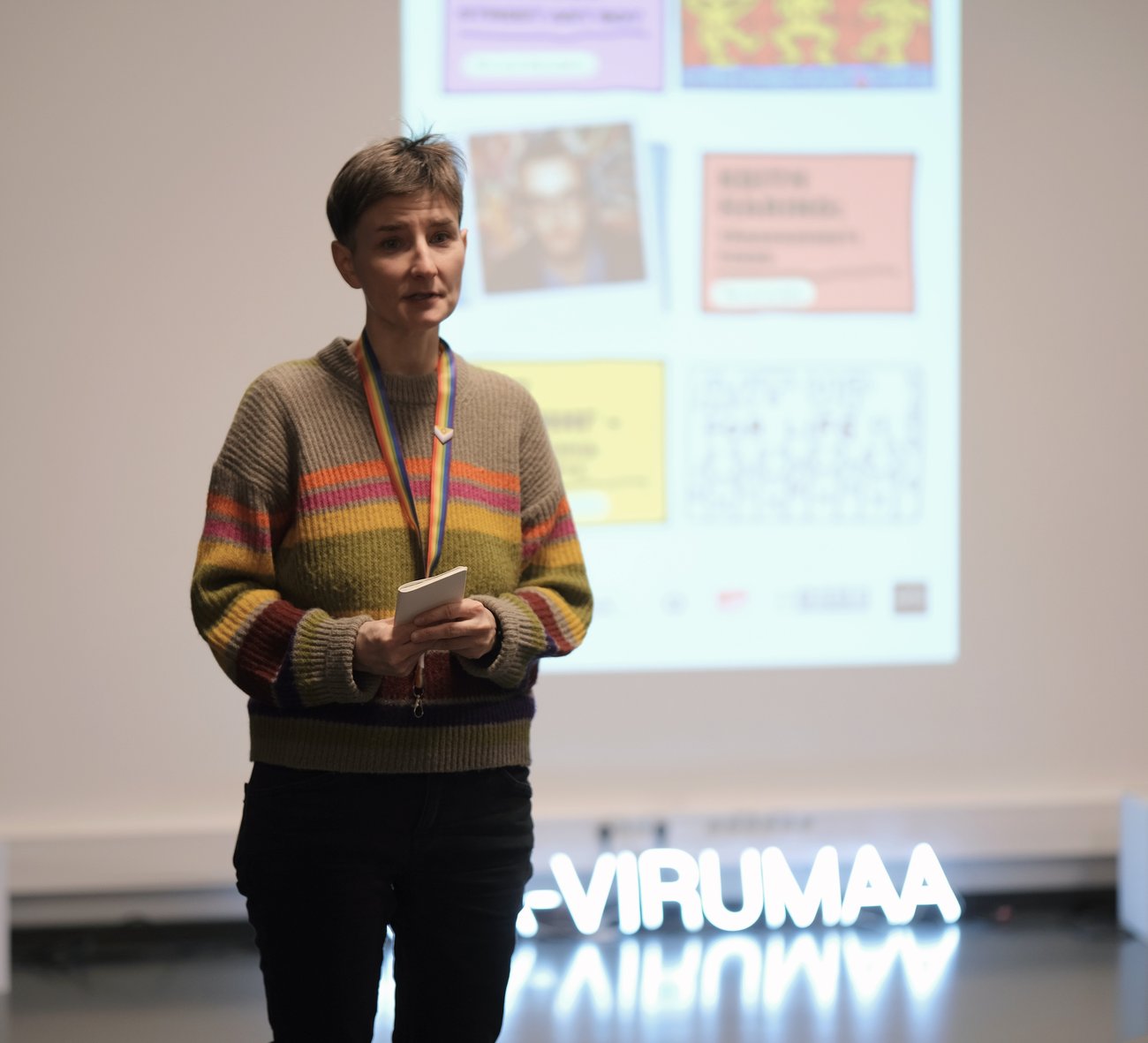
Q-Space's Gulya Sultanova leads a discussion with participants, bridging creative expression with public health initiatives. |
|
|
The event emphasized the enduring impact of Haring’s legacy while addressing the modern challenges of HIV prevention and sexual health education, empowering 30 young attendees with the knowledge and tools to make informed decisions about their health.
“This event is a tribute to Keith Haring’s incredible legacy as an artist and activist and a call to action to continue the fight against stigma and discrimination surrounding HIV,” said Q-Space founder Gulya Sultanova. “Through art and open dialogue, we hope to inspire greater understanding, empathy, and solidarity within our communities.” |
|
|
|
|
|
 |
|
Joseph Mojarathoto Motloung: A Journey of Resilience and Advocacy |
|
SOUTH AFRICA |
|
Joseph's story is next in our "I Am AHF" series featuring remarkable staff, clients, and partners who are doing what's right to save lives everyday. |
|
|
 |
|
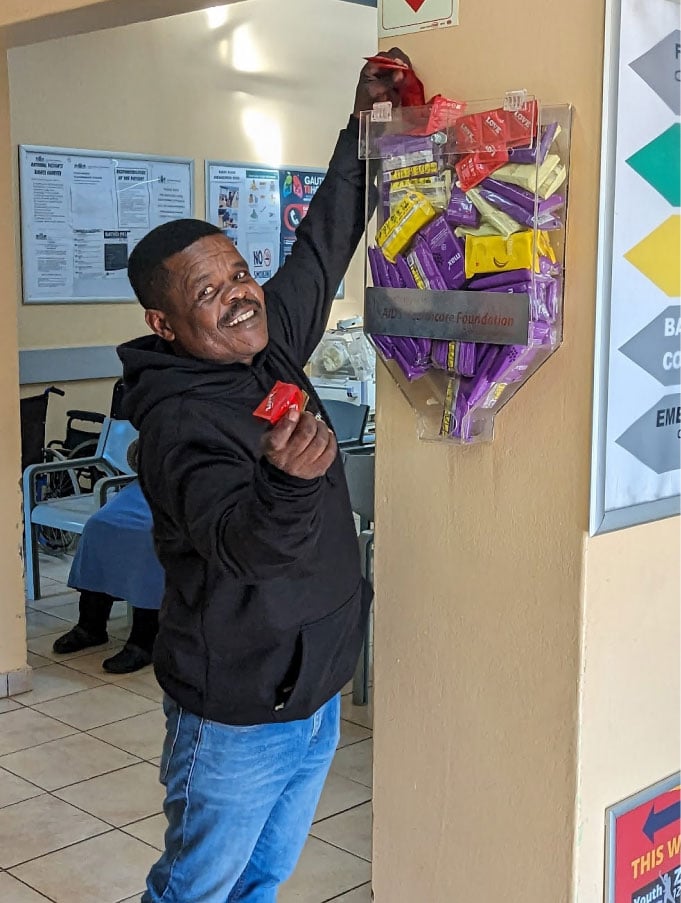
Joseph's commitment to education and support led him to start support groups aimed at teaching others about HIV and providing a safe space for people to share their experiences. |
|
|
|
|
Joseph Mojarathoto Motloung's story is one of resilience, courage, and unwavering determination. His journey began on the 10th of June 1994, when he was diagnosed with HIV. The diagnosis was a heavy blow, one that left him feeling isolated and alone. For two days, Joseph locked himself in a room, grappling with the reality of his situation. However, on the 12th of June, he made a pivotal decision to come to terms with his diagnosis, step out of the shadows, and face the world.
By December, Joseph found the strength to disclose his HIV status to his community. This act of bravery was met with a mixture of skepticism and support. Some believed the clinic had paid him to make his disclosure, as it was uncommon for people to share their status openly. Despite this, Joseph was undeterred. He saw the importance of educating others and began giving talks at schools the following year, teaching children about HIV and breaking down the stigma associated with the disease. |
|
|
|
|
|
|
Bridging the Gap Between Clients and Lifesaving Care |
 |
|
Expanding clinic hours and offering home visits help overcome barriers like financial struggles and transportation, ensuring better treatment adherence for clients. |
|
Over three months last year, the Medical Research Foundation, supported by AHF Trinidad and Tobago – one of our newest country programs – began reconnecting clients to lifesaving care through patient-centered strategies, including tele-counseling, home visits, and food and transportation support. |
|
|
|
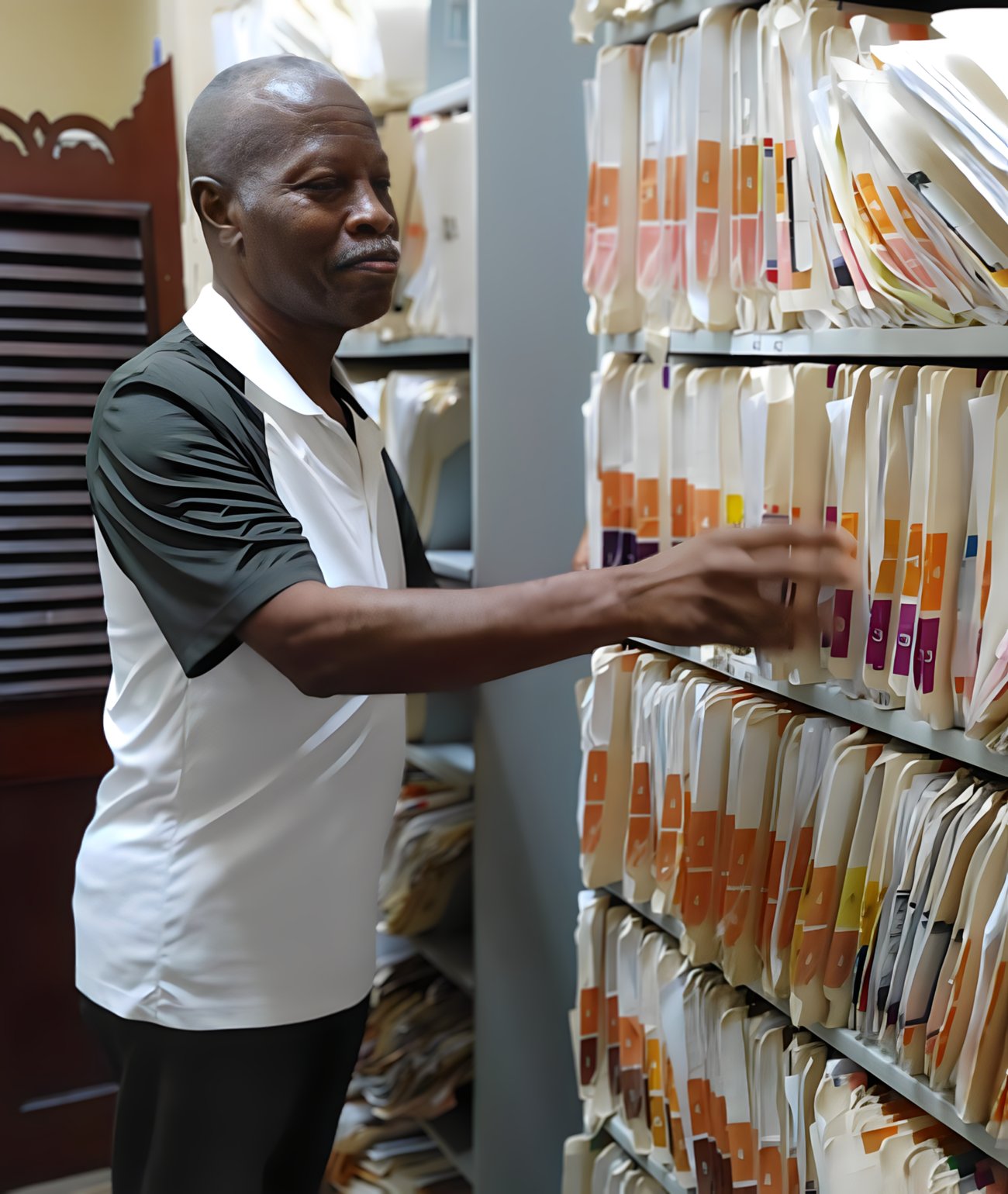
By auditing nearly 7,000 paper and electronic medical records, they found that 16% of clients were lost to follow-up (LTFU), meaning they stopped attending appointments or engaging with HIV care and treatment services, while 6% had transferred or migrated, and 5% were deceased. By November 2024, these efforts resulted in a 31% increase in return-to-care rates, far surpassing prior achievements.
“This is another example of the powerful partnerships that AHF has created across the Caribbean and the world,” said Dr. Kevin Harvey, Deputy Bureau Chief for AHF Latin America & the Caribbean. “Our strict focus on retention and returning those lost to follow-up has led to us supporting more than 2 million lives in care worldwide.” |
|
 |
|
These efforts have ensured greater accuracy in client data. |
|
|
|
Beyond these efforts, AHF’s advocacy team tackled another barrier to care—the exorbitant cost of dolutegravir, a lifesaving HIV antiretroviral medication produced by GlaxoSmithKline (GSK). In Trinidad and Tobago, the price was nearly $120 per person per month, a cost often forcing people living with HIV out of care. Through relentless advocacy, including letters and media releases, AHF successfully pressured GSK to reduce dolutegravir's price in the country by half.
|
|
|
|
|
|
|
AHF Kenya and Community Leaders Chart Safer Future for Girls |
 |
|
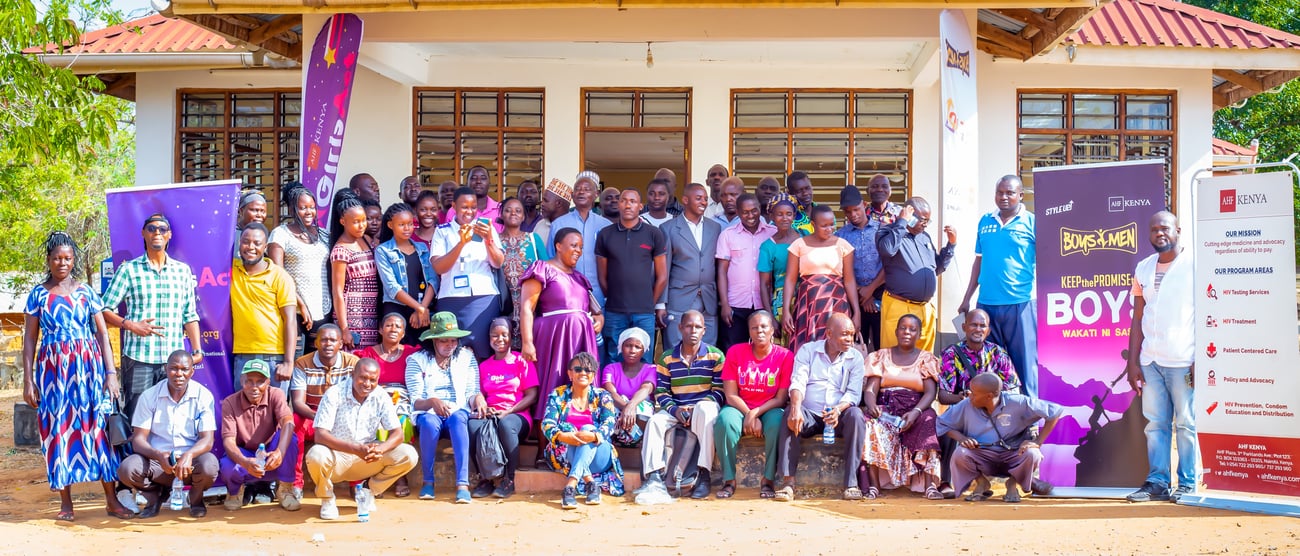
The event brought together religious leaders, police officers, Ministry of Education and Health officials, and members of the Red Cross and Salvation Army. |
|
With nearly 2,000 gender-based violence cases reported annually in Kilifi's Magarini Subcounty, AHF Kenya's Girls Act program is addressing the "triple threat" girls face—gender-based violence (GBV), unplanned pregnancies, and new HIV infections—by uniting civil society organizations, government officials, and community leaders through community dialogue and collective action.
During recent discussions, leaders raised concerns about teenage pregnancies, early marriages, and the influence of "Disco Matanga" (overnight funeral dances), which promote risky behaviors like unprotected sex. Other issues included drug and substance abuse, parental neglect, poverty, and the lack justice for GBV survivors—with financial and logistical barriers preventing many families from pursuing legal recourse.
These challenges have far-reaching consequences, such as a 28% rate of new HIV infections in Magarini and Kilifi County contributing to more than 14% of teenage pregnancies nationally.
In response, AHF Kenya and its partners stressed the need for sustainable, community-based solutions, focusing on awareness and education to address these pressing challenges. |
 |
|
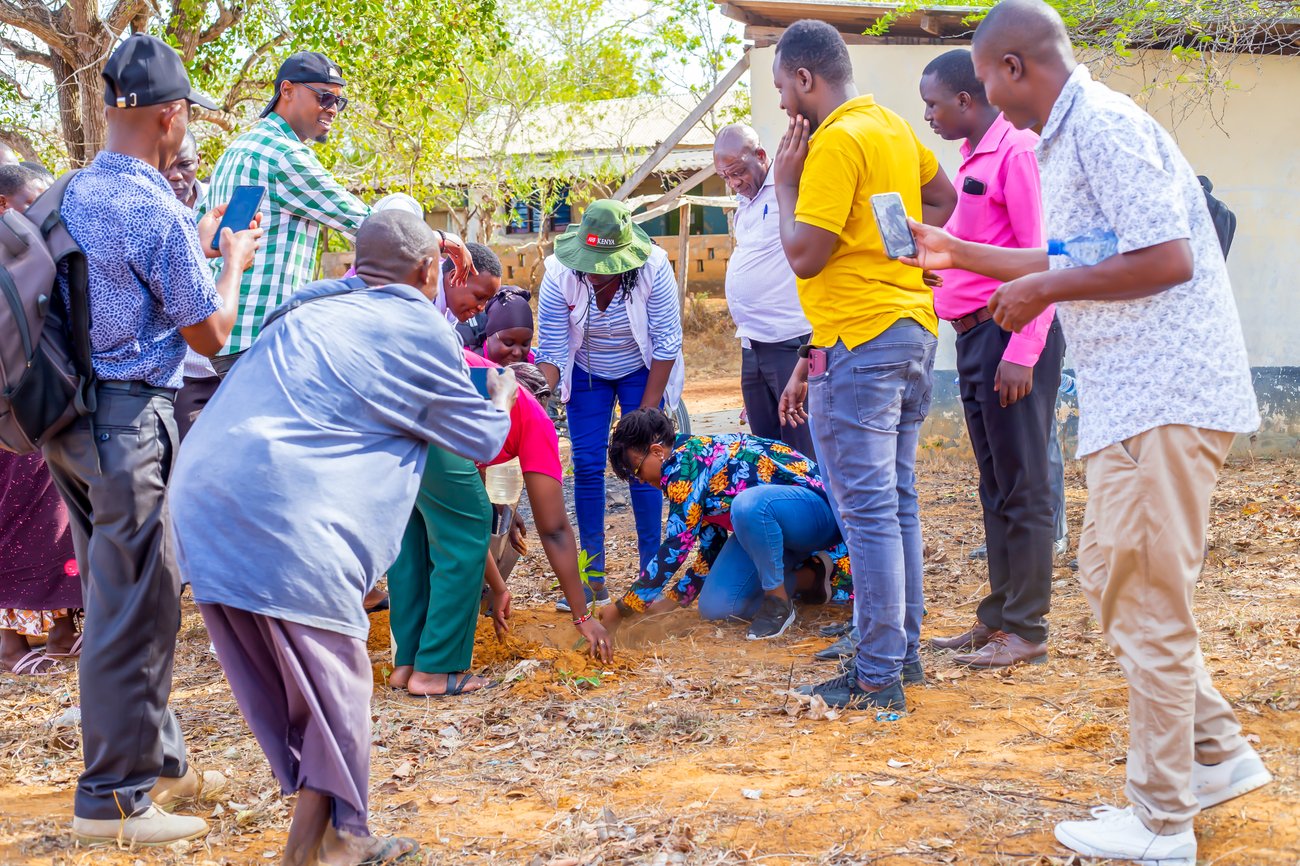
In addition to fostering dialogue, AHF Kenya marked Mazingira Day (Environmental Day) on October 10 by joining community leaders to plant trees at the social hall compound, symbolizing hope and growth for a healthier, safer community. |
|
|
|
|
|
|
CHECK OUT THE LATEST FROM US ON FACEBOOK |
 |
|
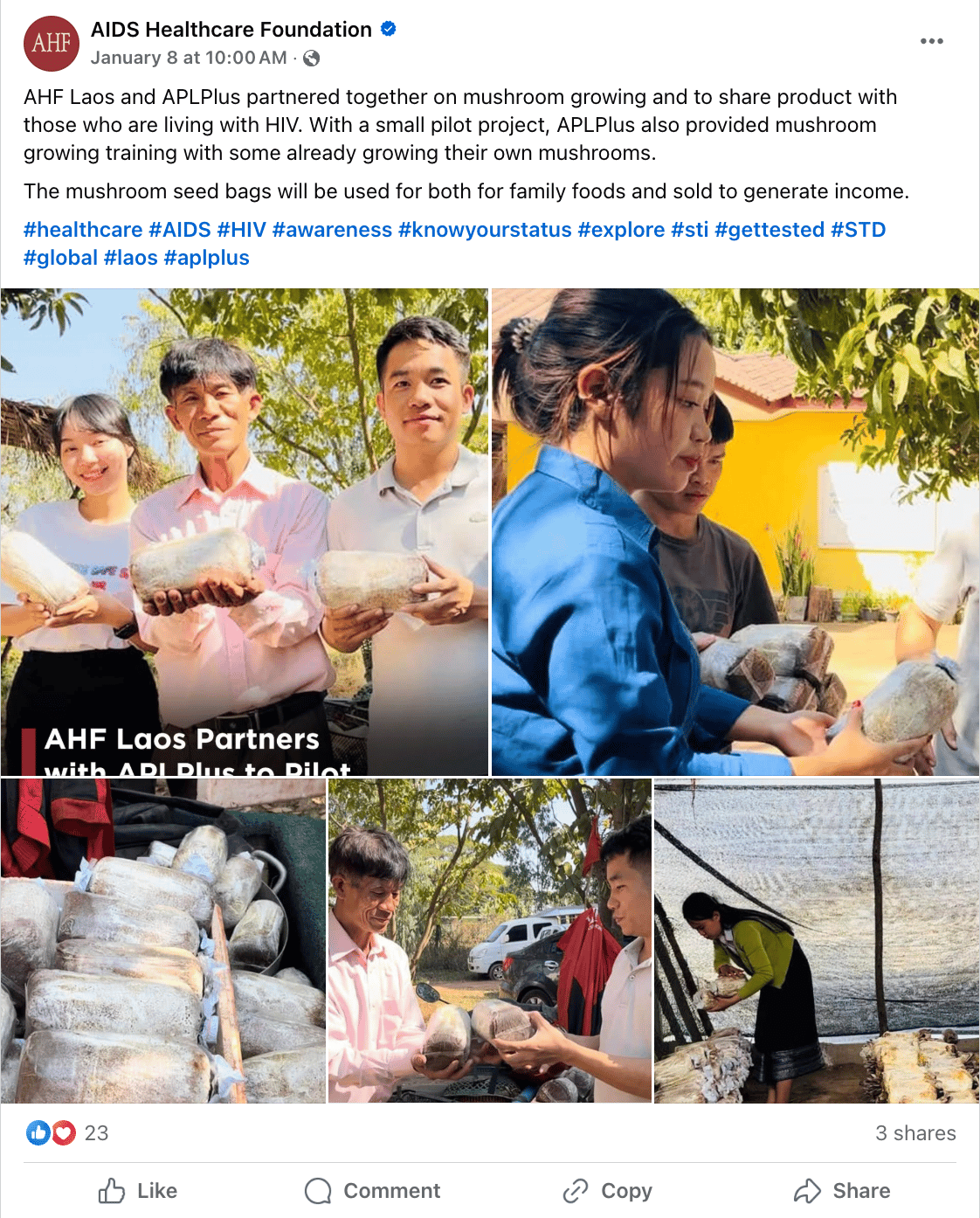
Click on the post to see more! |
|
|
 |
|
|
|
Click to follow us on social media. |
|
|
|
|