|
Youth Sound the Alarm on Philippines’ HIV Crisis |
 |
|
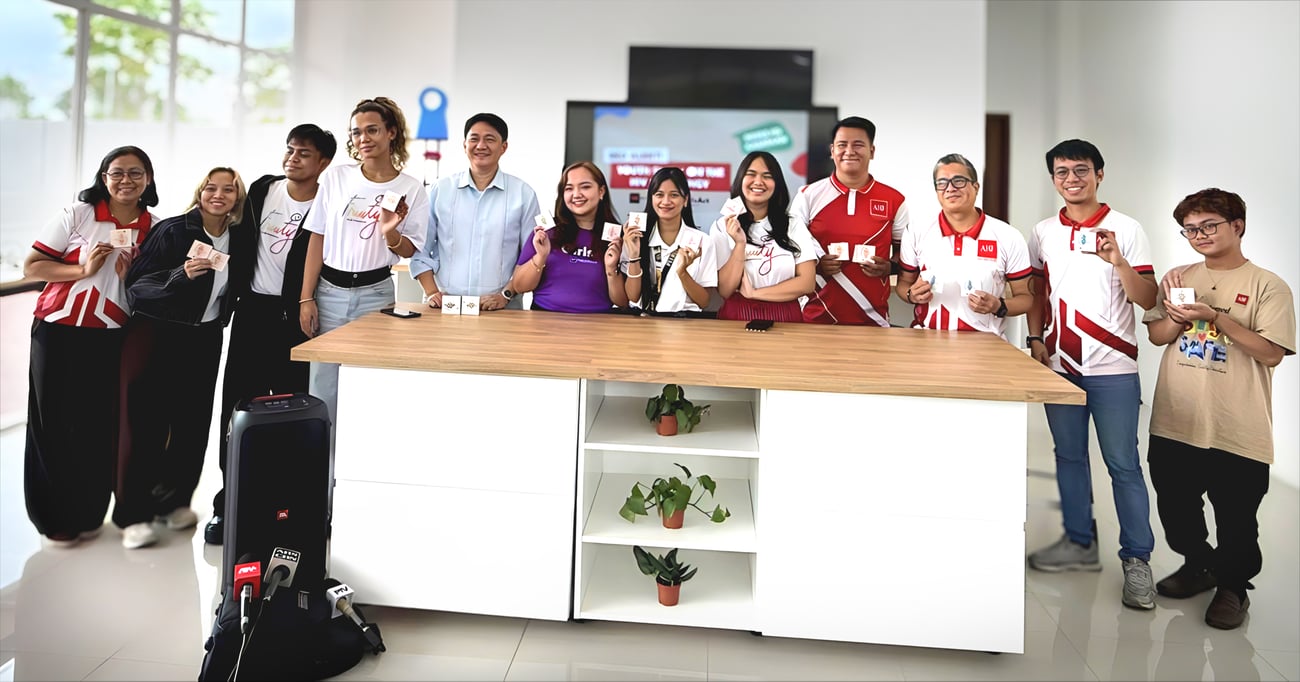
Leaders from PNAC, Girls Act Philippines, Kabataang FPOP, Fruity by LoveYourself, GABAY, and AHF Philippines press for policy change during the country's HIV crisis. |
|
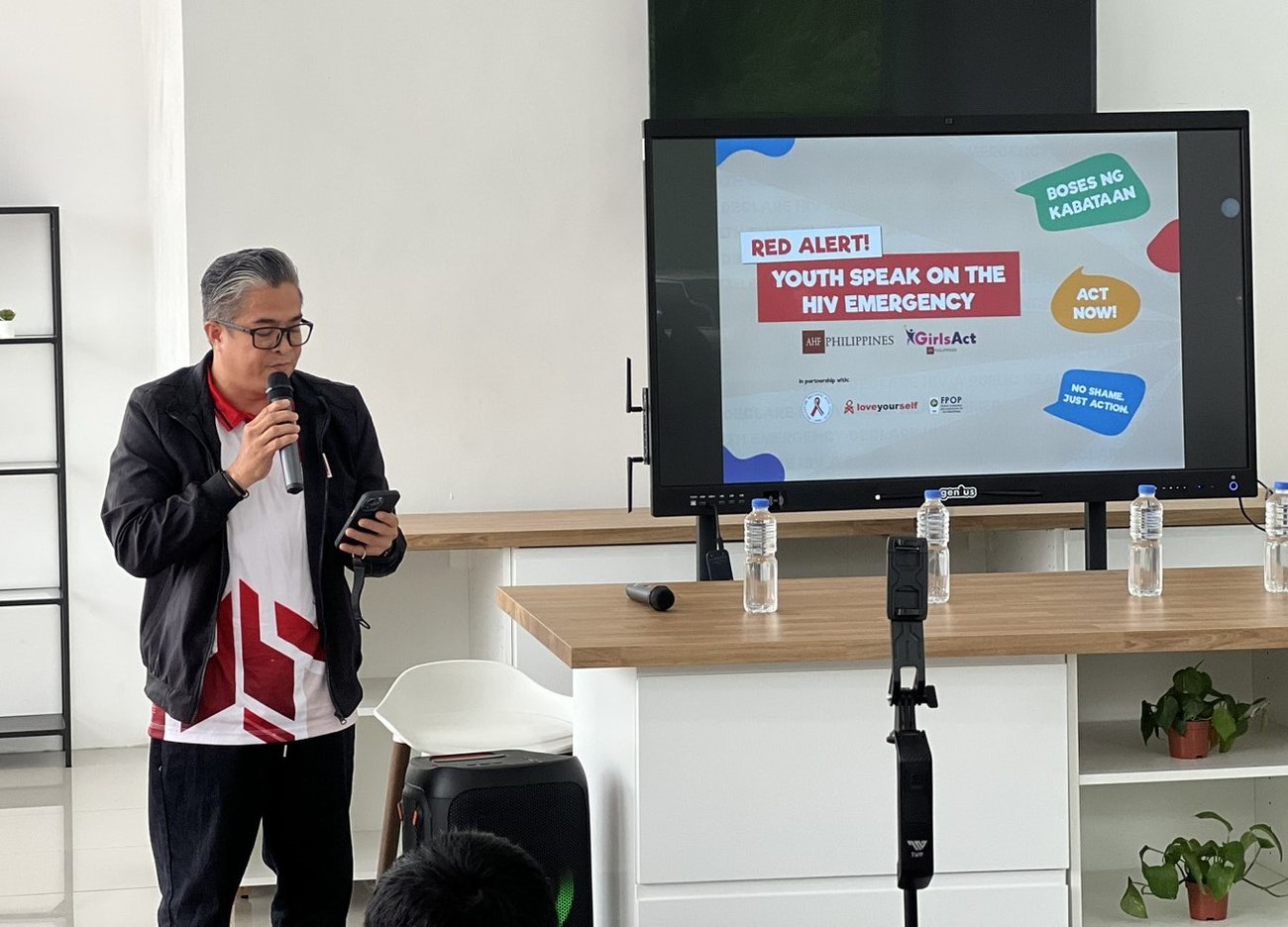
In the Philippines, where HIV cases are rising faster than almost anywhere else in the Asia-Pacific region—marked by a 302% increase among youth aged 15–24 in the last five years—young people are taking the lead in demanding urgent action. At the ‘Red Alert: Youth Speak on the HIV Emergency’ press conference on July 17, youth advocates and health leaders called for a united response that mobilizes government, communities, and civil society alike. |
|
|
 |
|
The activation was followed by a community town hall that fostered solutions to the rising HIV infections. |
|
|
AHF and youth representatives expressed their support for declaring HIV a national public health emergency, stressing that young people must be part of the conversation and the solution. They also urged the government to issue an executive order to strengthen the country’s HIV response and fight stigma, highlighting how youth-led advocacy is turning concern into action and inspiring systemic change. |
|
|
|
"The Filipino youth are in an increasingly vulnerable position. Every day, more young people are added to the HIV statistics. This is not just a health issue—it is a national emergency that demands a whole-of-government and whole-of-society response," said Dr. Ryan Guinaran, AHF Philippines Country Program Manager. "We must act now by scaling up access to accurate education, effective prevention tools, and inclusive services to protect the next generation."
AHF began operations in the Philippines in 2017 and now serves over 28,000 clients across seven of the country’s 17 regions. |
|
|
|
|
|
|
Global South Leaders Call for Health Equity |
 |
|
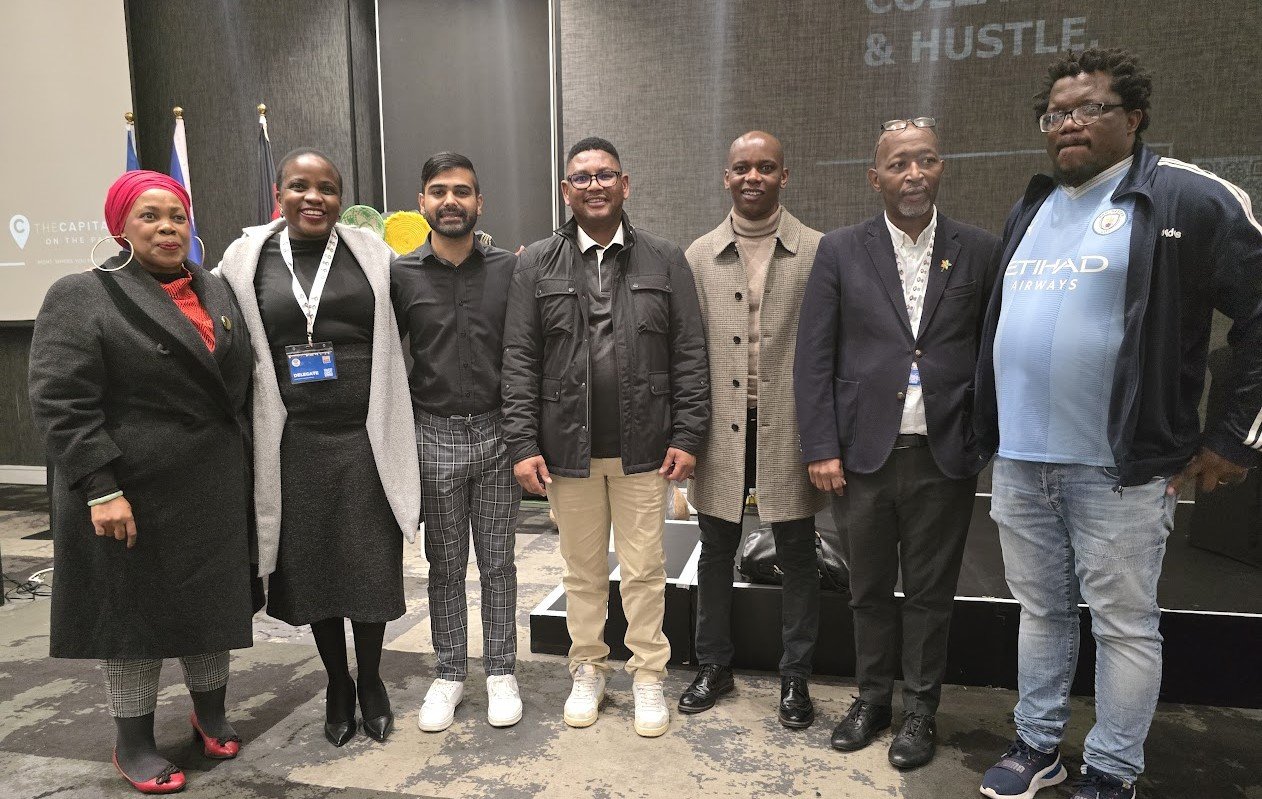
Civil society leaders emphasized that strengthening advocacy efforts is key to advancing global policies and ensuring the Global South is effectively represented in governance spaces. |
|
In Johannesburg, South Africa, civil society leaders gathered for the first-ever Civil Society 20 (C20) inception meeting on African soil, seizing a pivotal opportunity to advocate for equitable health care across the Global South. Ngaa Murombedzi, AHF Regional Advocacy & Policy Manager for Southern Africa, facilitated discussions that centered on community-led solutions, policy influence, and sustainable health priorities.
Over three days, participants—including representatives from Youth 20 and Labor 20—explored how civil society can shape global health decisions. |
|
|
|
"South Africa's presidency of the G20 has provided an opportunity for civil society to advocate for solidarity and equality, highlighting socioeconomic issues that adversely shape lived experiences—such as health, employment, social participation, climate and gender equity, and research and innovation—among other priorities," said Ngaa Murombedzi.
"As AIDS Healthcare Foundation, co-facilitating the health working group ensures that public health remains a priority, advancing equitable access to health services for all. On the agenda, pandemic preparedness, response, and health financing are key areas of our advocacy for health equity." |
|
 |
|
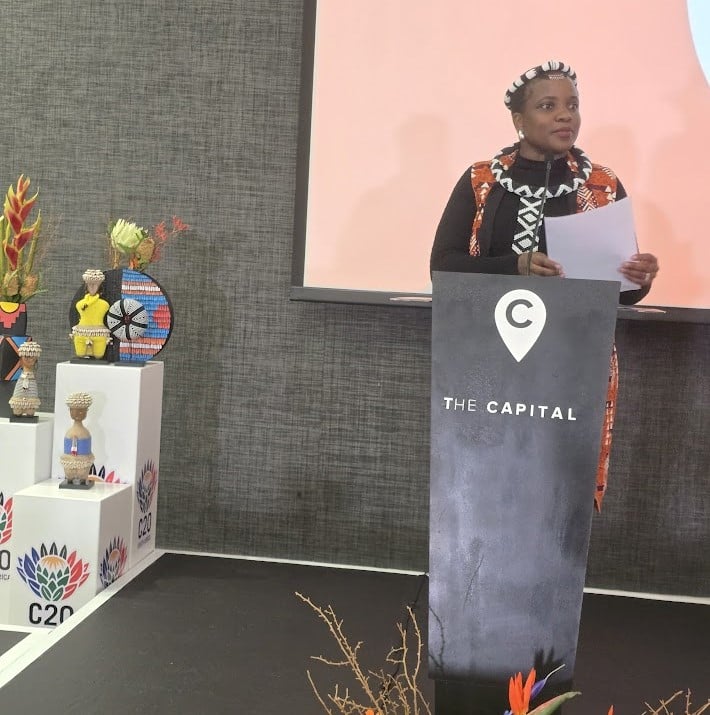
Ngaa Murombedzi co-facilitates the "Equitable Health for All" working group, uniting civil society voices in health around the G20 health working group framework. |
|
|
|
AHF supported efforts to incorporate these priorities into the zero draft of the C20 policy pack, ensuring that the voices of communities most affected by health inequities are represented.
For more than a decade, AHF has been an active participant in C20, consistently advocating for health equity and elevating these issues to the G20 level.
The C20 is an official engagement group of the Group of Twenty (G20) that brings together civil society organizations from around the world to provide recommendations and advocate for inclusive, equitable policies. |
|
|
|
 |
|
Moe Moe San: Fighting Forward with Hope |
|
MYANMAR |
|
Moe Moe San is an AHF Myanmar client. Her story is next in our "I Am AHF" series featuring remarkable staff, clients, and partners who are doing what's right to save lives everyday.
|
|
After living with HIV for more than 20 years, Moe Moe San reconnected with an old friend from AHF who encouraged her to get a cervical cancer screening—leading to early detection and lifesaving treatment. She is now sharing her story to inspire other women to prioritize their health. |
|
|
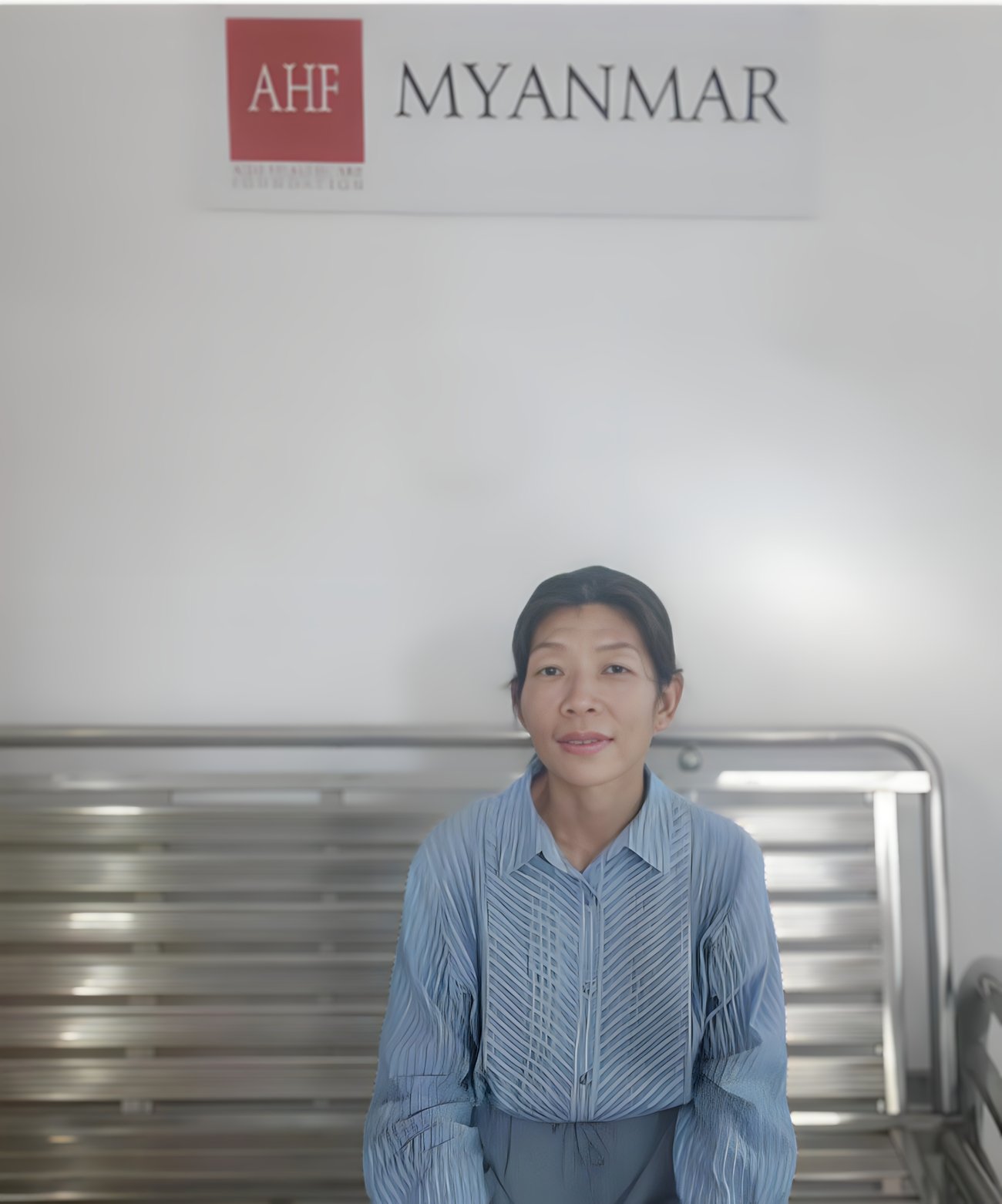 |
|
"I’m deeply grateful to AHF for their unwavering support throughout my treatment," said San. |
|
|
My name is Moe Moe San. I’m 51 years old and live in Yangon. I was first diagnosed with HIV in 2000, after contracting it from my husband. At that time, it felt like a nightmare. I became deeply depressed and did not leave my house for six months.
With encouragement from my colleagues, I eventually joined peer education sessions, rebuilt my confidence, and started antiretroviral therapy (ART). Accessing treatment wasn’t easy—I had to go through multiple counseling sessions alone and with my family to ensure I could take my medicine consistently. But with the support of my mother, family, and friends, I found the strength to stay resilient. |
|
|
|
I’ve now been living with HIV for more than two decades, faithfully taking ART throughout. In December 2023, I unexpectedly met my old friend Yu Yu, who works for AHF Myanmar. During our conversation, she shared that her organization provides cervical cancer screenings for women living with HIV.
The past year had been particularly tough—I lost a lot of weight and struggled to eat properly. Despite this, I had never considered getting screened for cervical cancer. Encouraged by my friend’s words, I decided it was time to take that step. |
 |
|
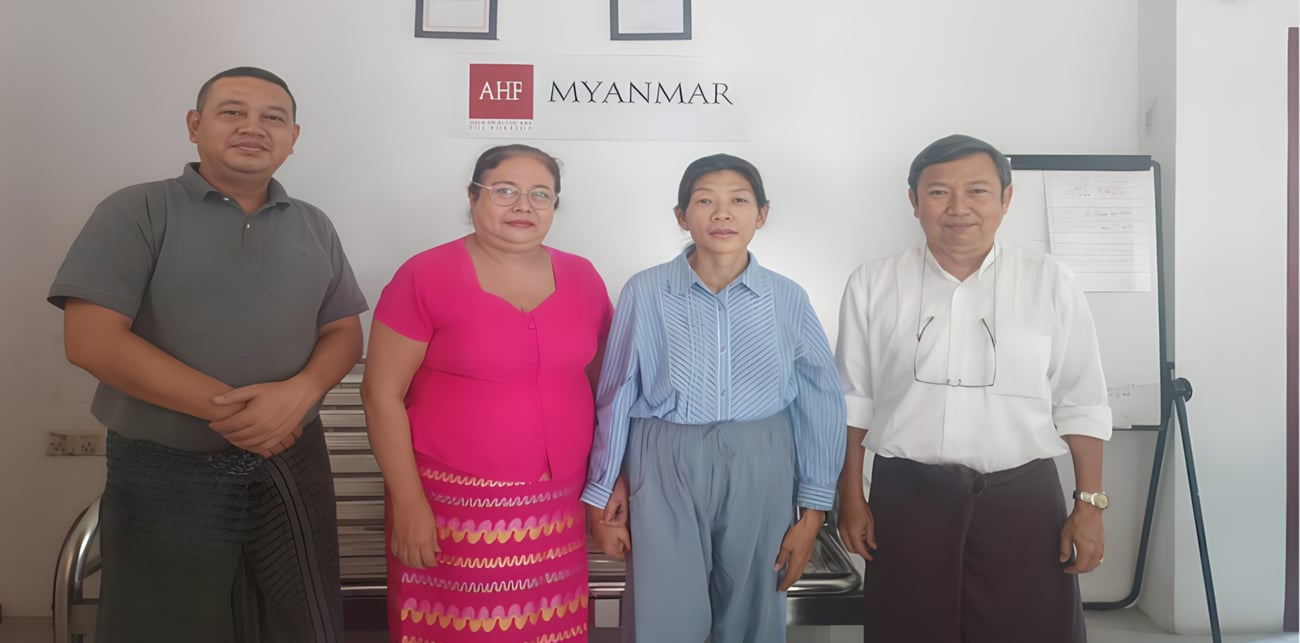
From left to right: Dr. Myo Chit, AHF Myanmar Operations Manager; Yu Yu Htwe, AHF Myanmar Field Coordinator; Moe Moe San; and Dr. Win Oo, AHF Myanmar Country Program Director. |
| Read More |
 |
|
|
|
|
Community Input Shapes STI Outreach Strategy |
 |
|
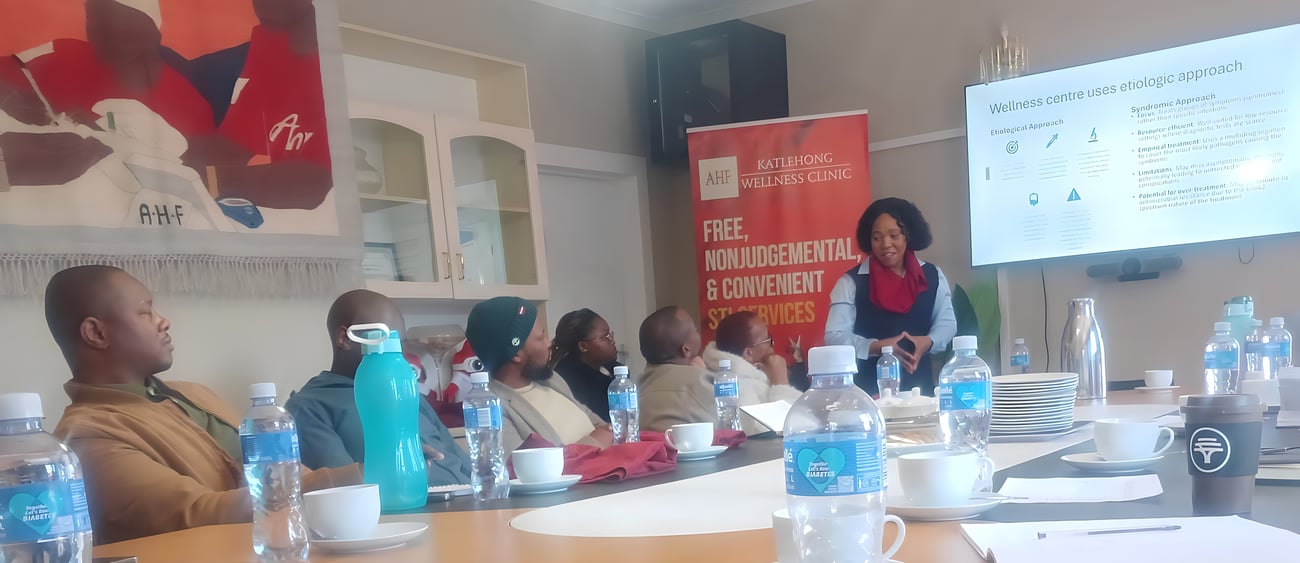
Guests learn about AHF Wellness Centers through presentations led by staff highlighting their mission and services. |
|
To better serve key populations, AHF Lesotho hosted a series of focus group discussions aimed at improving outreach for its Katlehong Wellness Center. Organizations working directly with sex workers, LGBTQ+ communities, and young people—including the Lesotho Red Cross Youth Commission, Lesotho Girl Guides Association, and faith-based groups—shared insights on how to expand access and impact.
The sessions produced practical, community-driven strategies, including engaging trusted messengers like traditional healers and local leaders, conducting outreach in sex work hotspots, distributing educational materials community-wide, and partnering with social media influencers to reduce stigma and raise awareness. |
 |
|
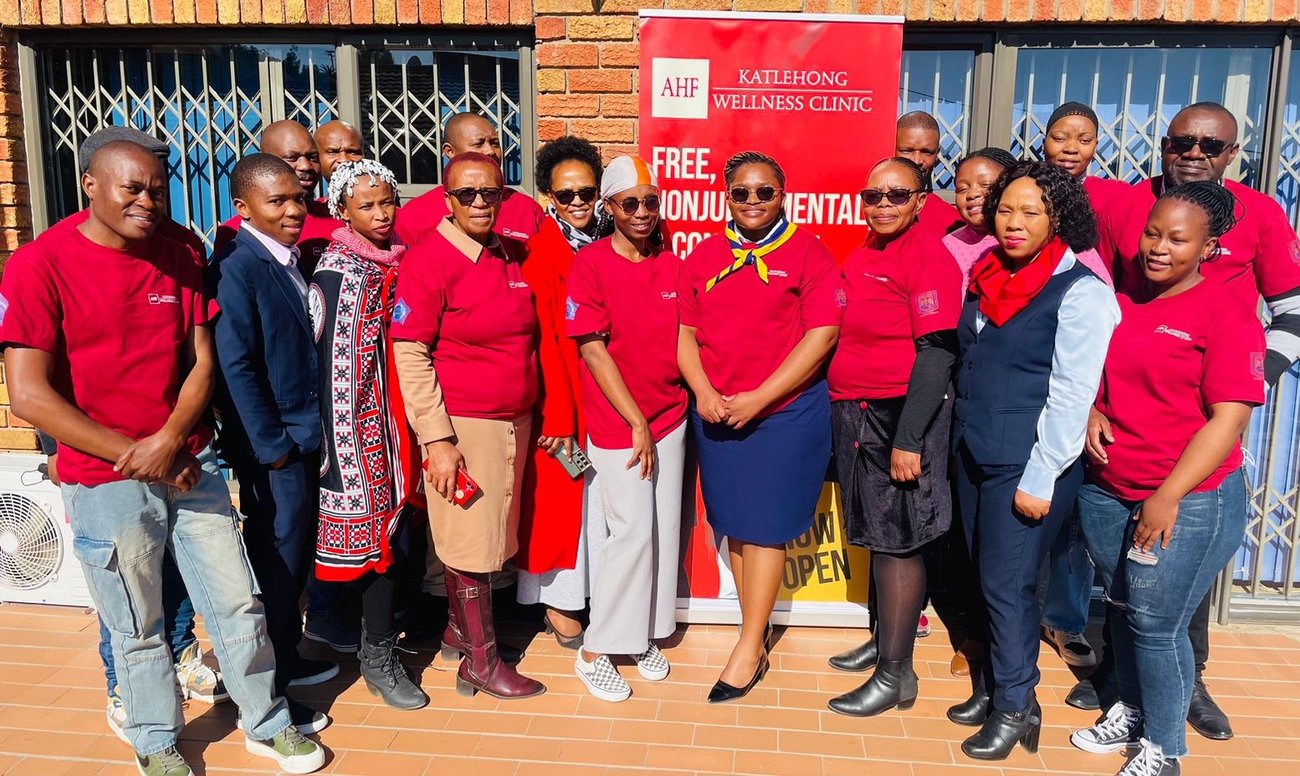
Wellness Centers serve as vital entry points for free sexual health services, offering inclusive STI/HIV care to at-risk populations in their communities. |
|
In addition to generating new ideas, the collaboration fosters strong referral pathways, with partner organizations committed to directing clients in need of STI/HIV services to AHF for support. AHF Lesotho will integrate these recommendations into upcoming outreach campaigns, refine service delivery at Wellness Centers, and continue working alongside community partners to ensure no one is left behind.
AHF Lesotho began providing services in 2013. It has since expanded to five districts, supporting 21 health centers through government, church, and NGO partnerships and currently serves over 55,000 clients. |
|
|
|
|
|
|
In Case You Missed It: Episode 2 Now Streaming |
|
The second episode of The Global Public Health Revolution: Beyond 2025 podcast is titled From Tokenism to Power: Reclaiming Civil Society’s Voice in Global Health. This time, we explore why civil society organizations—despite being on the frontlines of global health emergencies from HIV to Ebola to COVID-19—are still excluded from the rooms where decisions are made. |
 |
|
In this powerful episode, host Kemi Gbadamosi sits down with Aggrey Aluso, Africa Director at Pandemic Action Network, and Elisha Dunn-Georgiou, President & CEO of Global Health Council, to unpack how we can move beyond acknowledgment to meaningful action. |
 |
|
|
 |
|
|
|
Click to follow us on social media. |
|
|
|
|