|
Zambia Treatment Center Reimagined for Patients |
 |
|
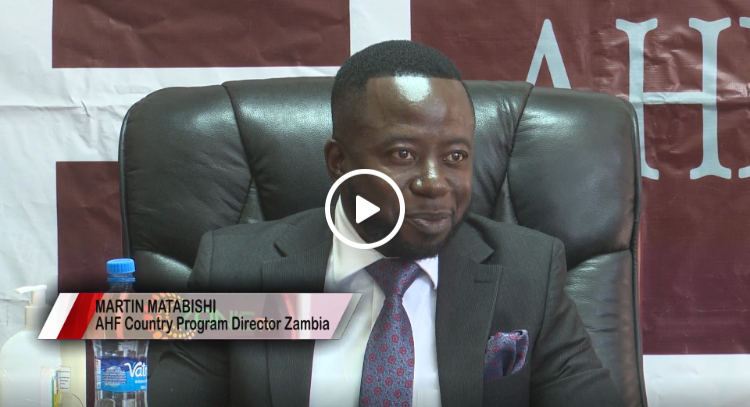
See coverage of AHF's handover of the upgraded treatment center to Ndola Teaching Hospital. |
|
AHF Zambia celebrated the handover of the recently renovated ART (antiretroviral therapy) Department at Ndola Teaching Hospital, the country’s second-largest HIV referral hospital and an AHF partner facility. The upgrades included improvements to the triage area, consultation rooms, laboratory, and pharmacy—all of which directly serve patients living with HIV.
As Martin Matabishi, AHF Southern Africa Deputy Bureau Chief and AHF Zambia Country Program Director, emphasized during the launch, healing comes not only from medicine but also from the environment in which care is delivered. “Our aim was simple – to create a space that matches the high quality of care our patients deserve.’’ The renovated spaces now reflect this belief, ensuring clients receive the best possible treatment in a setting that supports their overall well-being.
AHF Zambia launched operations in 2007 at Chikankata Mission Hospital in the Southern Province and has since partnered with government and community organizations to expand HIV testing and treatment across 12 districts, serving nearly 254,000 clients. |
|
|
|
 |
|
Dhansara Bohora: Farming a New Future |
|
NEPAL |
|
Dhansara Bohora is an AHF client and a recipient of AHF Nepal's Food for Health program. His story is next in our "I Am AHF" series featuring remarkable staff, clients, and partners who are doing what's right to save lives everyday. |
 |
|
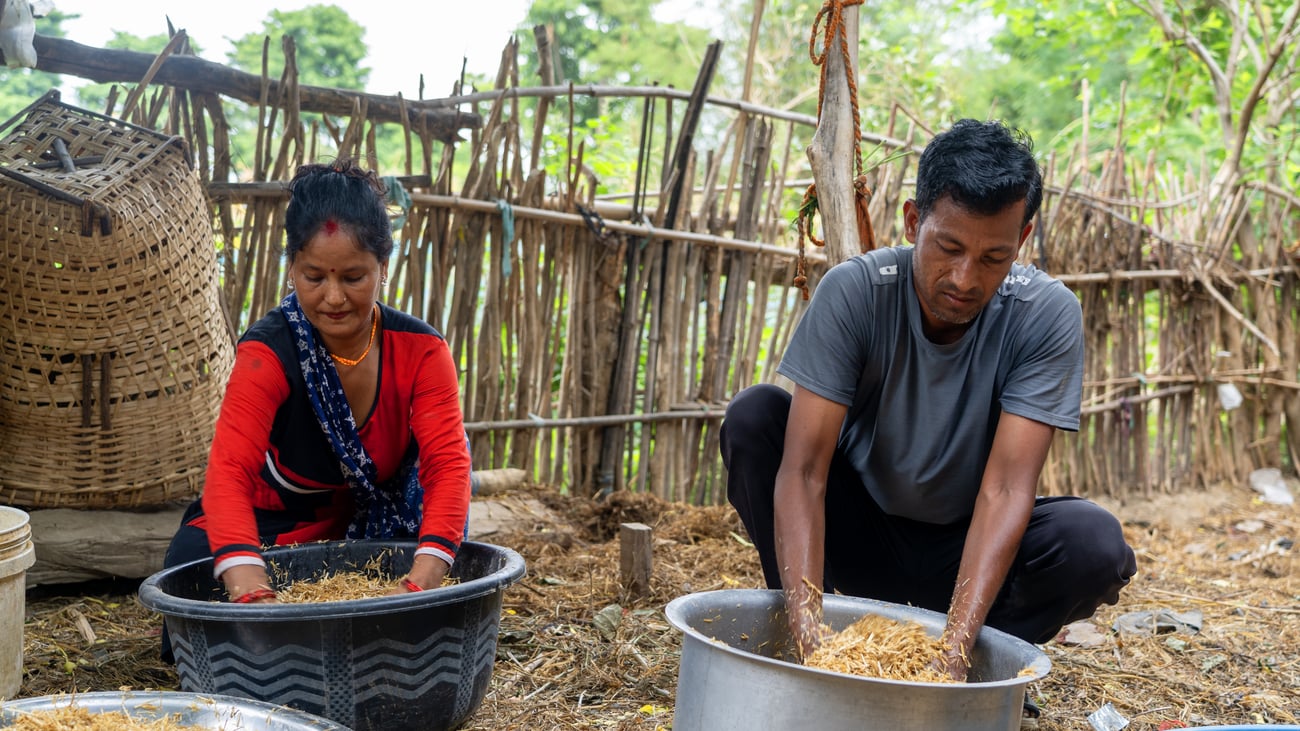
Bohora and his wife work side by side to build a future through goat farming. |
|
My name is Dhansara Bohora, I am 42 years old, and I live in Kailari, Nepal with my wife, son, daughter, and daughter-in-law. My daily life revolves around my family and our goat farm. Coming from a poor family, I struggled to provide food and cover basic expenses.
In search of better opportunities, I migrated to India, where I became infected with HIV. Returning to Nepal, my health was deteriorating, survival was difficult, and I worried deeply about my family’s future and the stigma in my community. Adjusting back into society was not easy, but I knew I had to stay strong and rebuild my life. |
|
|
 |
|
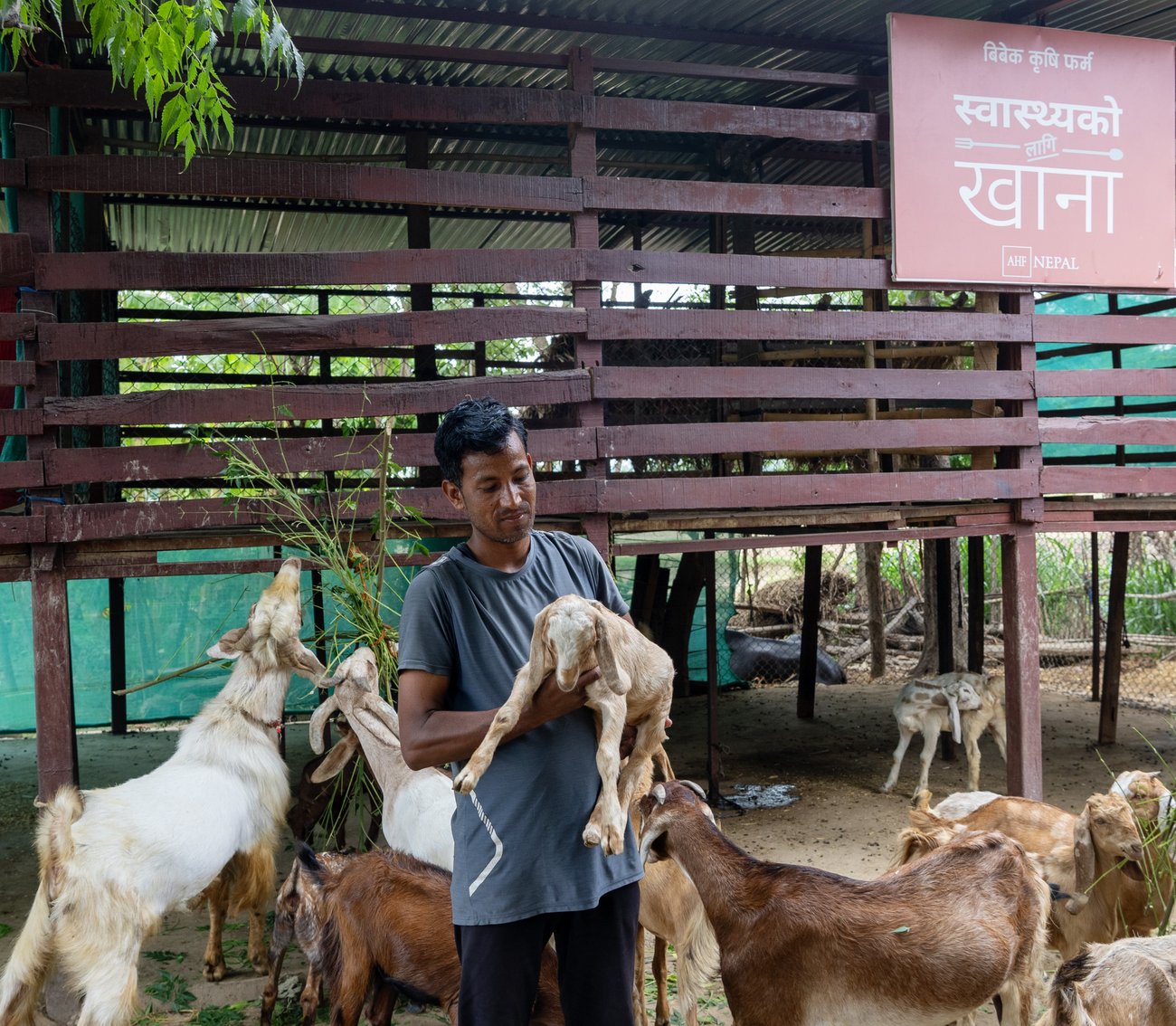
Bohora in front of the goat shed built with support from AHF’s Food for Health program. |
|
|
Receiving treatment at the Seti ART Center, an AHF collaborative site, has stabilized my health and restored my confidence. When I learned about AHF’s Food for Health initiative, which supports people living with HIV with nutrition, food security, and income-generating projects, I felt hopeful that I could rebuild my life.
I shared my plan to start a small goat farm with an AHF representative, and they supported 75% of the project cost. This allowed me to build a proper goat shed for 50 goats—something I could never have afforded alone.
|
|
|
|
|
|
|
Kicking Off a Healthy School Year in Jamaica |
 |
|
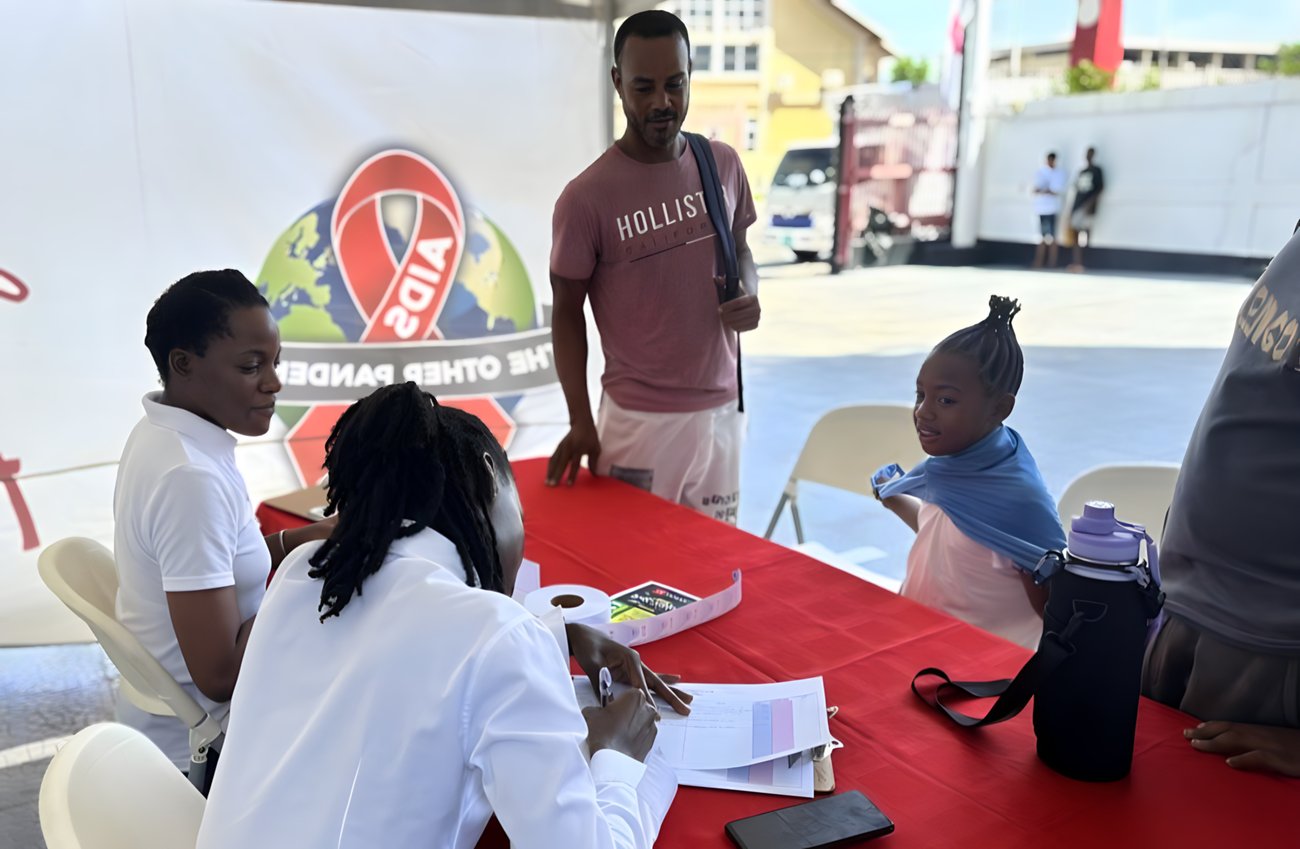
Alongside health screenings, participants received book vouchers to help ease back-to-school costs. |
|
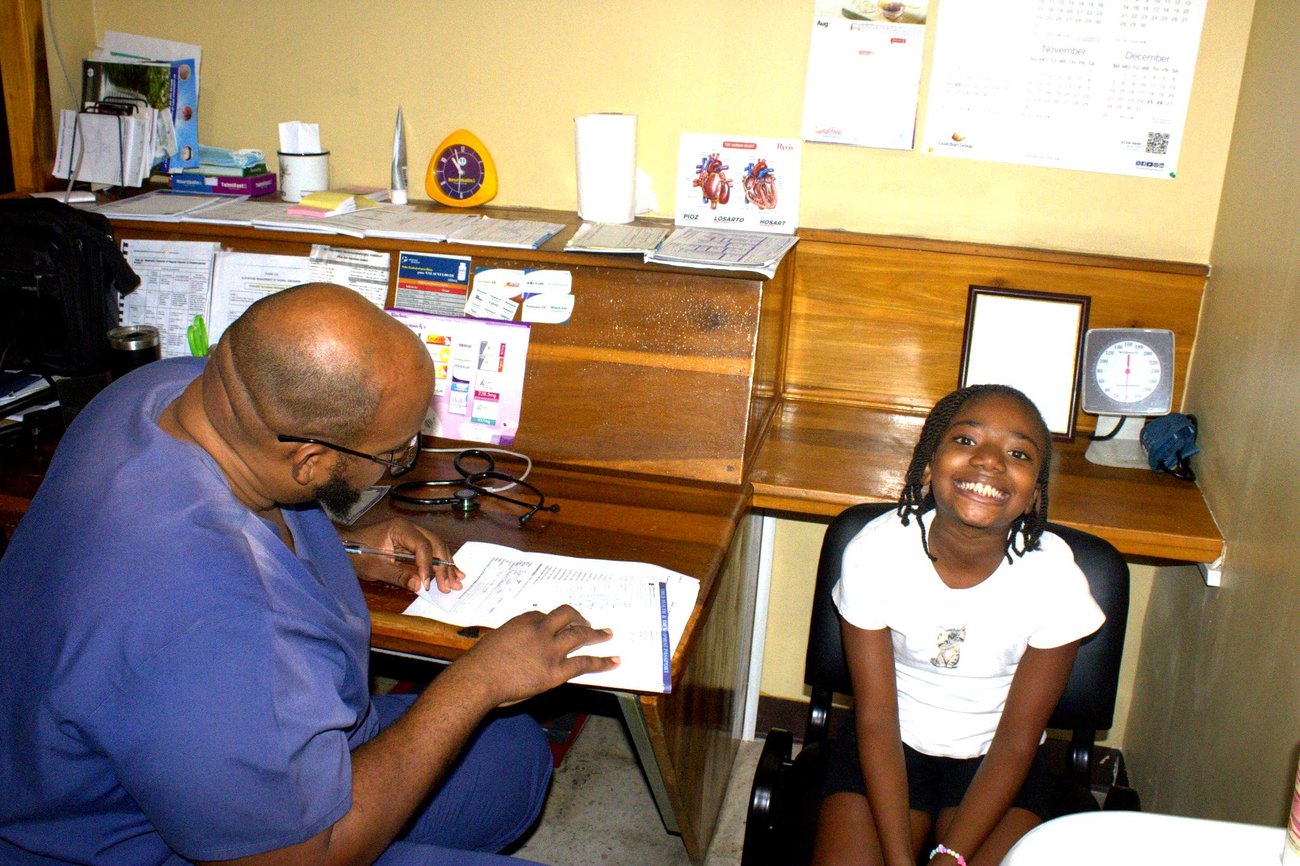
On August 22, AHF Jamaica’s Kingston office came alive with families, children, and community members for the annual Back-to-School Medical Health Fair. By extending health services beyond AHF clients—through immunizations, school medicals, blood pressure checks, and vision screenings—the event helped reduce stigma, build trust, and open doors for early HIV prevention and detection. |
|
|
|
Parents had the chance to ask questions about their children’s health, while young people received care in a welcoming, supportive environment.
Since 2018, this fair has grown into a cornerstone of community care, offering more than just health checks—it provides a strong start to the school year and a bridge between AHF’s services and the community.
|
|
 |
|
The fair provided more than 40 school medicals and 12 overdue immunizations for students. |
|
|
|
AHF Jamaica launched in 2013 and opened a medical center in 2018, which now stands as one of Kingston’s premier HIV and STI treatment and care facilities. Today, the program serves over 27,000 clients. |
|
|
|
|
|
|
South African Voices Unite for Safer, Healthier Childhoods |
 |
|
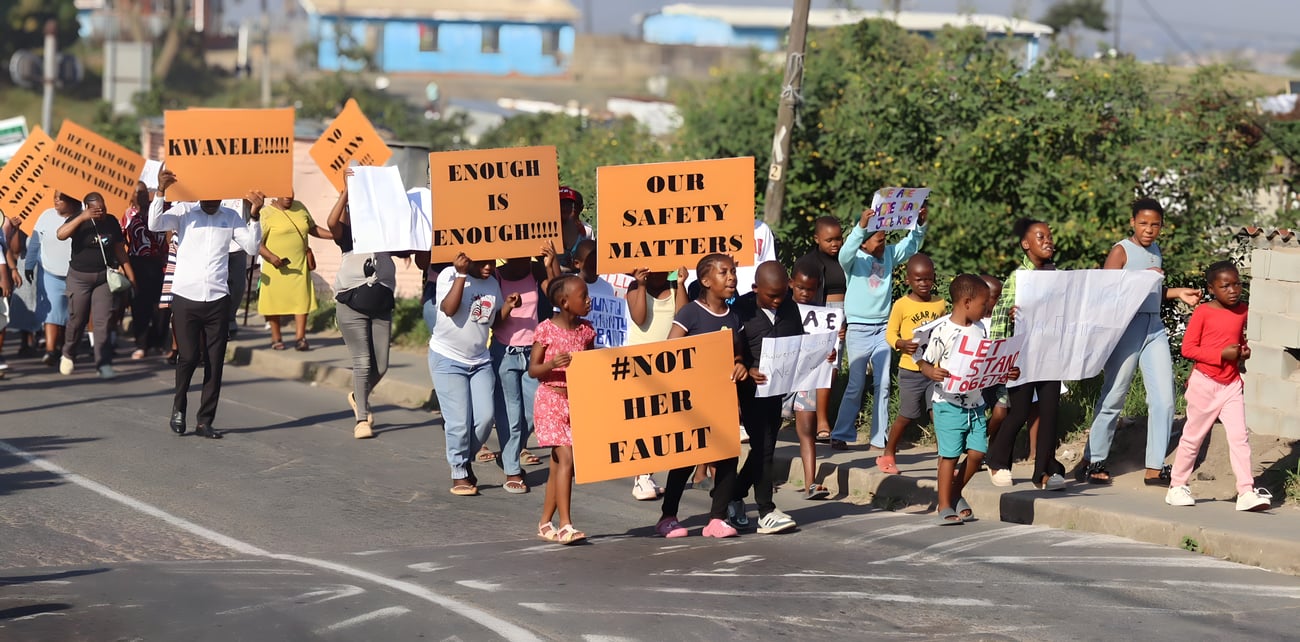
In Umlazi, community members and young people ages 5–24 marched with AHF, chanting in support of Child Protection Week. |
|
The voices of more than 90 community members, police officers, and AHF partners filled the streets of Umlazi, a township south of Durban, during AHF South Africa’s march marking Child Protection Week earlier this summer. Together, they called for stronger action to end the abuse, neglect, and exploitation of children—linking protection to healthier futures and improved treatment adherence for children living with HIV. |
|
|
 |
|
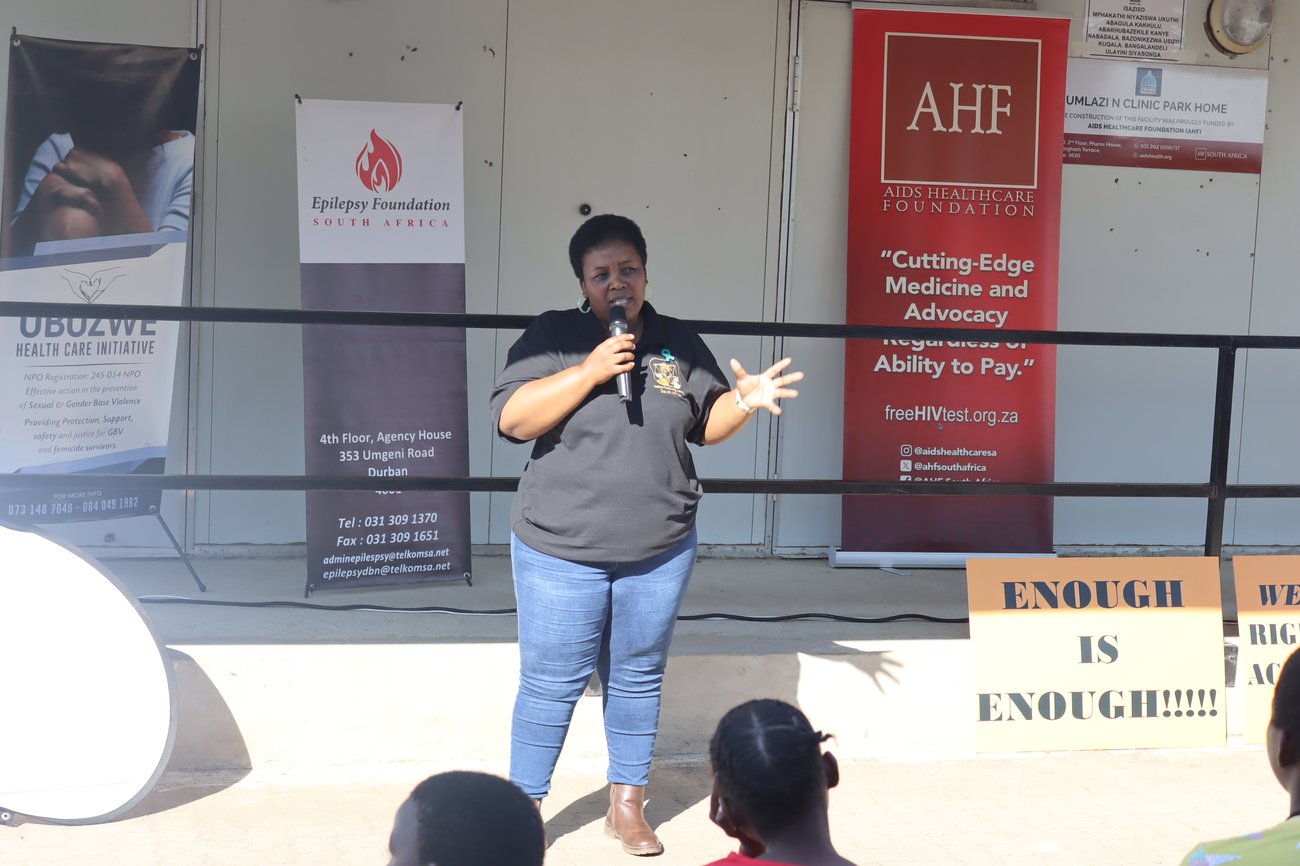
Jabu Langa from our partner Thuthuzela Care Centre speaks to participants at Umlazi N Clinic following the march. |
|
|
After the march, representatives from AHF partner Thuthuzela Care Centre led sessions on parental responsibilities, child protection strategies, and how to respond when a child has been assaulted. AHF’s psychosocial coordinator, Thobile Suzan Gumede, stressed treatment adherence and HIV status disclosure, while health services—including family planning, ARV provision, and viral load testing for children—were also provided. |
|
|
|
"We owe our children, the most vulnerable citizens in our society, a life free of violence and fear," said a participant at the march.
Child Protection Week in South Africa is marked annually in June, bringing government and civil society together to raise awareness of children’s rights and mobilize communities to prevent abuse, neglect, and exploitation.
AHF has worked in South Africa since 2002, when we opened the Ithembalabantu (People's Hope) Clinic – our first global health facility. Today, operations span 61 facilities across four provinces, serving over 260,000 clients. |
|
|
|
|
|
|
In Case You Missed It: Episode 3 Now Streaming |
|
The third episode of The Global Public Health Revolution: Beyond 2025 podcast is titled Youth Voices and Global Health Part 1: From Ukraine to the Philippines. This time, we hear from youth advocates Viktoriia from Ukraine and Jullian from the Philippines, who share their personal journeys into advocacy and the urgent challenges young people face today. |
 |
|
|
|
|