 |
|
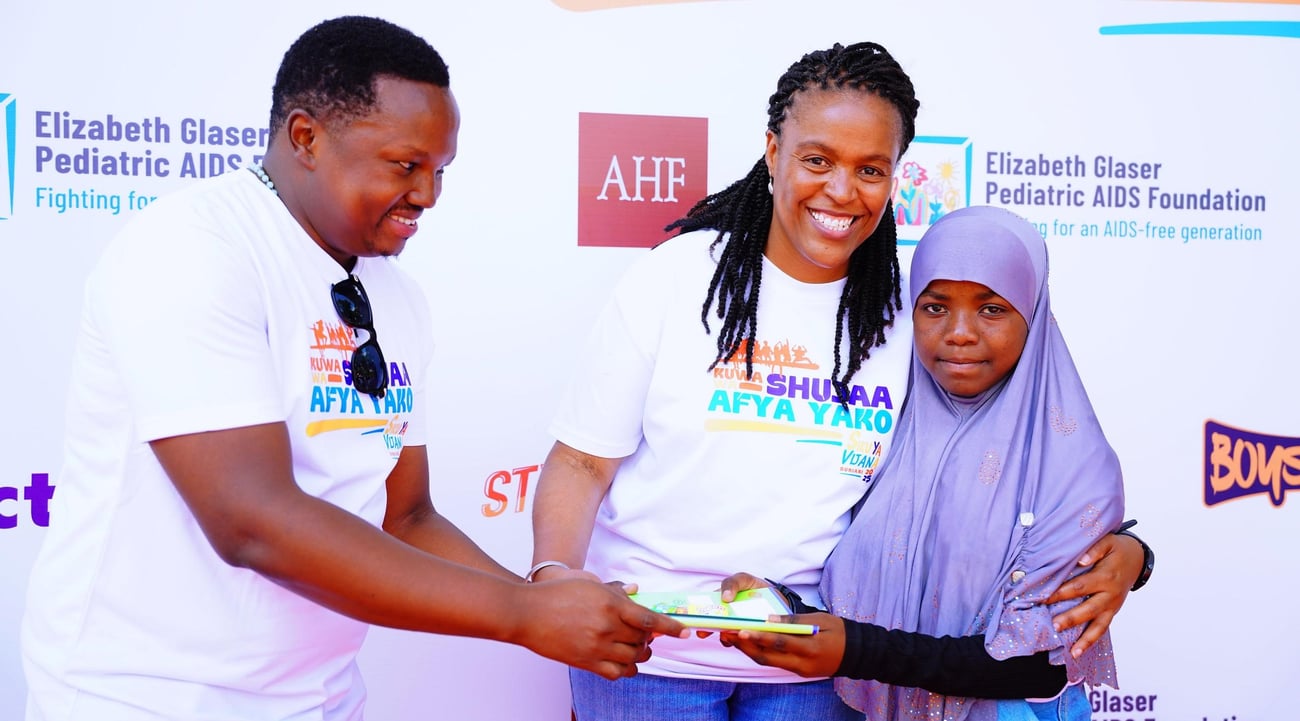
AHF Tanzania's Country Program Manager, Haika Mtui (center), presents prizes to participants during the International Youth Day event. |
|
In commemoration of International Youth Day 2025 on Aug. 12, AHF teams in Tanzania and South Africa highlighted the urgent need for stronger, youth-centered health and HIV responses across Africa. Under the theme “Our Youth, Our Future: Health, Empowerment, and Equality,” teams reaffirmed their commitment to supporting adolescent boys and young men, while ensuring girls and young women are equally supported through comprehensive, inclusive programs. |
|
Tanzania |
 |
|
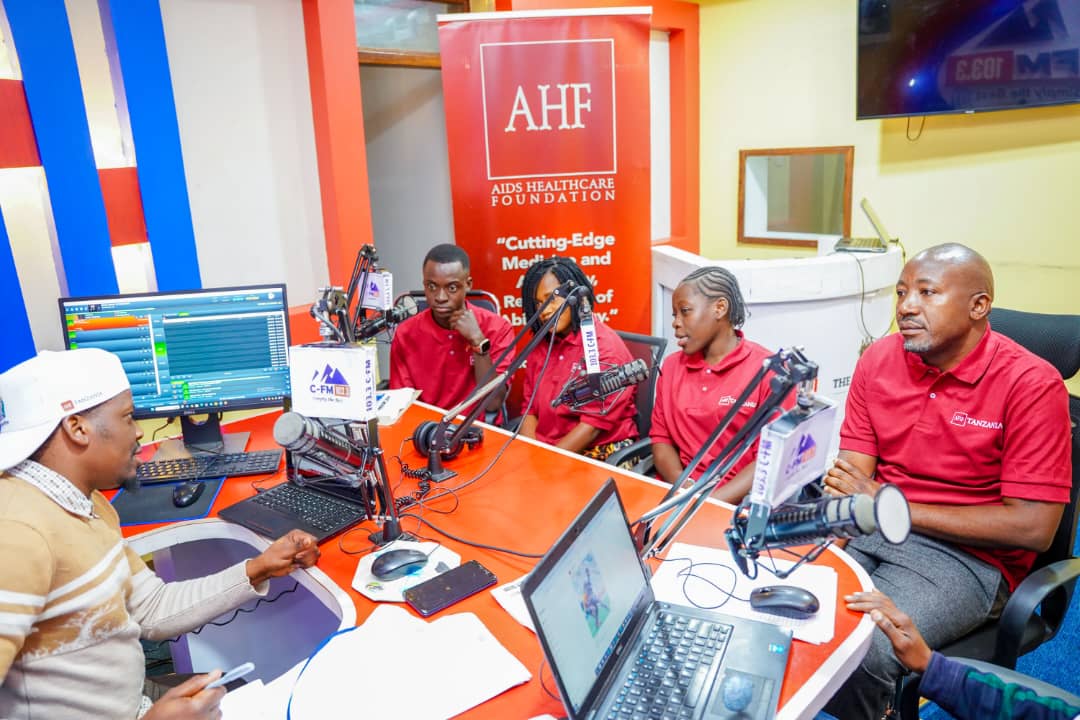
Youth living with HIV shared their experiences, providing vital information and awareness to radio show listeners. |
|
AHF Tanzania and the Elizabeth Glaser Pediatric Aids Foundation hosted a collaborative Youth Bonanza, blending educational sessions with sports to reach over 80 adolescents from six health facilities—reinforcing health education in a fun and interactive way. The event drew significant media attention and was covered by Dodoma TV.
In addition, AHF engaged youth living with HIV through a live radio session that featured three young people and a healthcare professional. Together, they promoted understanding, challenged stigma, and advocated for more supportive healthcare environments.
As one of AHF's newest programs, Tanzania has an estimated 1.8 million people living with HIV, including 67,000 children. |
|
|
|
South Africa |
 |
|
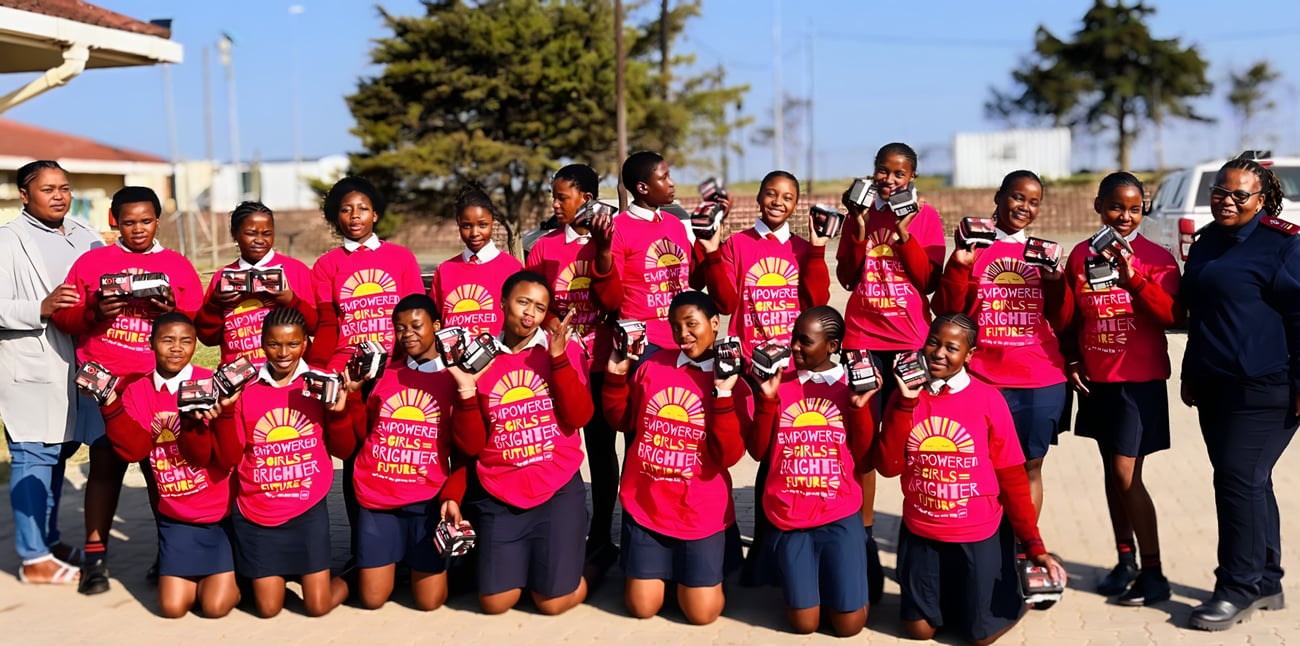
Learning and sharing in groups encourages youth to support one another and help reduce stigma around HIV and sexual health. |
|
AHF South Africa hosted a Girls Act dialogue with 17 participants, creating a safe space for young girls to discuss pressing issues such as gender-based violence, sexual violence, and the importance of treatment adherence. By fostering open conversations, the session empowered girls to share experiences, gain knowledge, and take proactive steps toward their health and safety.
South Africa has one of the highest HIV prevalence rates globally, with an estimated 7.8 million people living with HIV. Women and girls are particularly at risk, as the country also faces alarmingly high rates of sexual violence.
Observed annually, International Youth Day is a United Nations initiative that highlights the contributions of young people to their communities and the importance of engaging them in shaping a more just, inclusive, and sustainable future. |
|
|
|
 |
|
Maarika Leppik: Letting Your Light Shine |
|
ESTONIA |
|
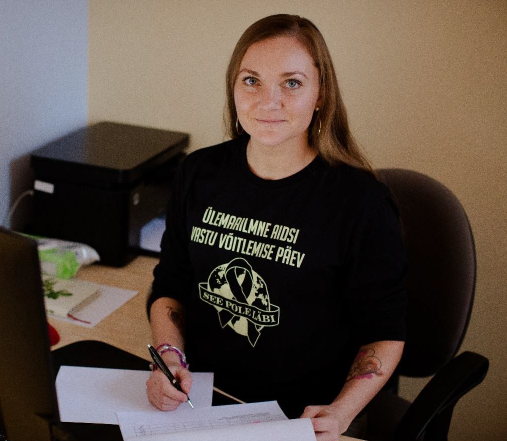
Maarika Leppik is a social worker at AHF Estonia's Linda Clinic. Her story is next in our "I Am AHF" series featuring remarkable staff, clients, and partners who are doing what's right to save lives every day. Interviewed by Diana Shpak, Knowledge Management Focal Point, AHF Europe Bureau. |
|
|
 |
|
"Living by the heart is the key to happiness," said Leppik with a smile. "I truly love what I do." |
|
|
Maarika Leppik shared her insights and experience regarding the crucial role of social work in keeping HIV patients engaged in care. Before speaking with her, I had no idea how much effort she puts in every single day to help people living with HIV in Estonia. Her dedication and results are worth sharing with everyone.
After working for many years in an orphanage with children, Maarika joined AHF in February 2021 and began working at Linda Clinic as a social worker, where she found her true calling. |
|
|
|
Maarika is known for her compassionate approach and professionalism. These qualities help her connect with patients, achieve results, and remain fully committed to her work.
One of her most important responsibilities is ensuring patients come for therapy and medications on time. She tracks and schedules monthly visits, calling patients in advance to check how they are feeling, confirm they have enough medication, and remind them to collect their next supply. If she cannot reach them by phone, she personally visits each patient. She knows them all in person and always finds a way to remind them about their treatment. |
| Read More |
 |
|
|
|
|
Journalists Equipped to Strengthen Nepal’s HIV Response |
 |
|
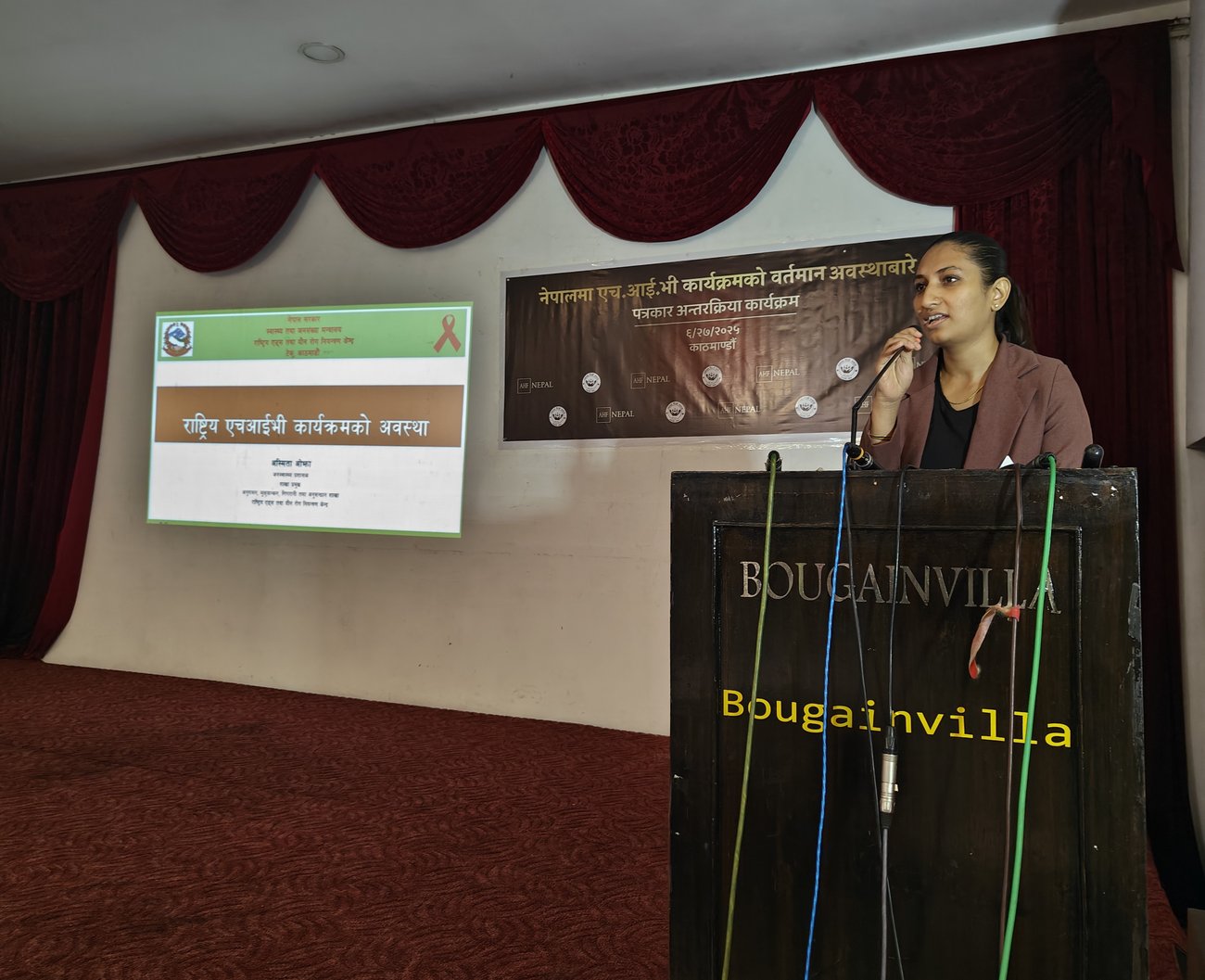
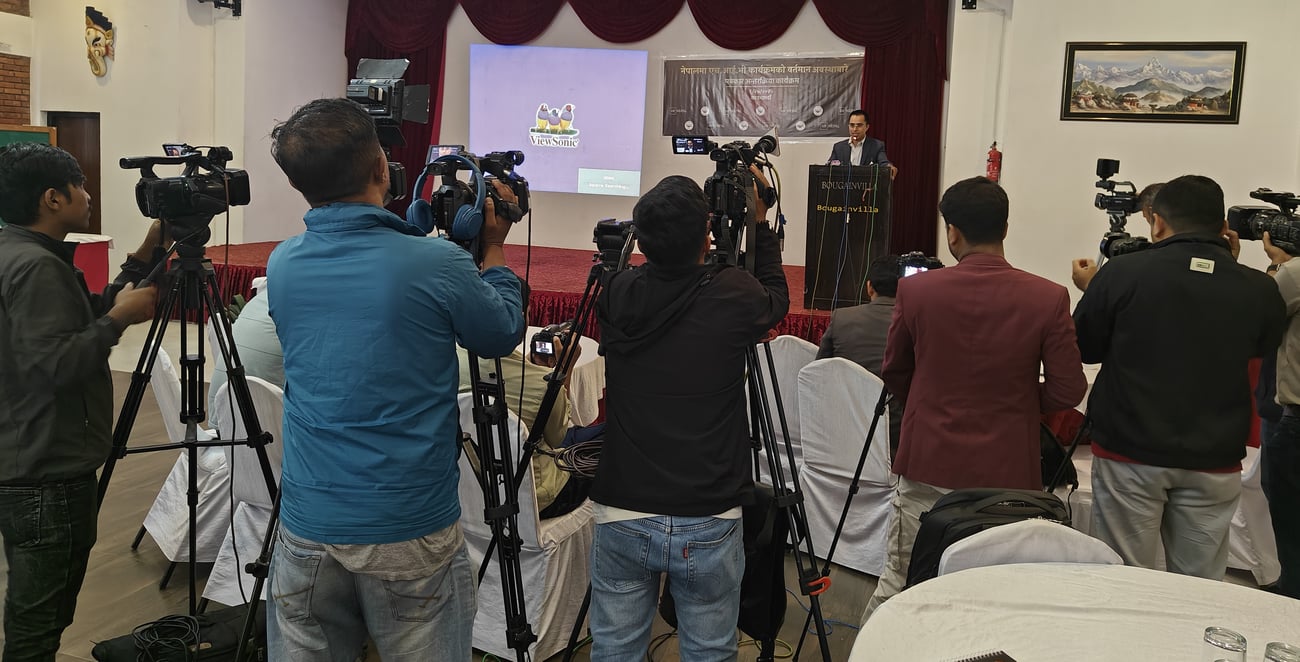
More than 60 journalists and media representatives attended AHF Nepal’s press event highlighting the current HIV response in the country. |
|
Over 60 journalists turned up at an event hosted by AHF Nepal and the Society of Health Advocacy, underscoring the interest in novel, sustainable approaches to HIV/AIDS care at a time when international donor support is shrinking. As a long-time implementer of successful advocacy models, AHF shared its experiences informed by nearly 15 years of delivering care in Nepal. |
|
|
|
"Journalists are powerful allies in the HIV response. By reporting with accuracy and compassion, they can help eliminate stigma and encourage people to seek HIV testing and start treatment early," said AHF Nepal Country Program Manager Divya Raj Joshi. "At AHF Nepal, we know that access to the right information saves lives. Our partnership with the media ensures that every community, from urban to rural and remote areas, hears that message clearly and knows that care and support are always within their reach.”
|
|
|
|
"As many donor-funded programs are being reduced or discontinued in Nepal, the government has stepped in to procure and distribute essential medicines independently, ensuring uninterrupted treatment services," said Dr. Sarbesh Sharma, Director of the National Center for AIDS and STD Control. "Similarly, by allocating national resources toward other health-related programs, we can build long-term sustainability and reduce dependency on external donors. Sincere thanks to AHF for organizing such a meaningful and timely program."
Since 2009, AHF Nepal has partnered with 19 government-run ART clinics to deliver HIV prevention, testing, treatment, and care, currently serving more than 16,000 clients. |
|
|
|
|
|
|
AHF Highlights HIV Risk amid Rising Unplanned Pregnancies |
 |
|
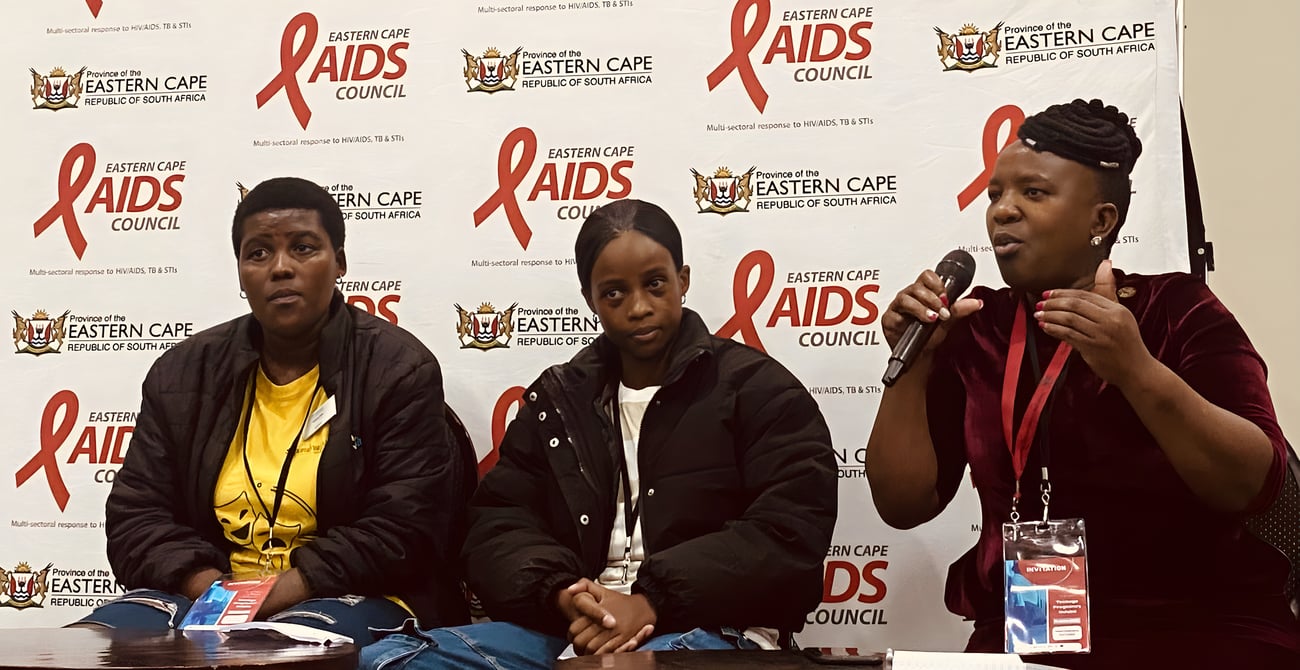
Two teen mothers share their experiences with unplanned pregnancy alongside a representative from South Africa's National Prosecuting Authority. |
|
In response to high teenage pregnancy rates—particularly among 10-14 year olds—AHF South Africa joined the Eastern Cape Teenage Pregnancy Indaba (conference), along with members of government, universities, youth, and civil society. The conference examined the main drivers of unplanned teenage pregnancy, highlighting financial manipulation of young girls by older men, which increases their risk of early pregnancy, HIV, and other STIs.
The meeting also highlighted the lifelong impact of teenage pregnancy, with teenage mothers sharing experiences of dropping out of school, strained family relationships, lost educational opportunities, and challenges finding employment. |
|
|
 |
|
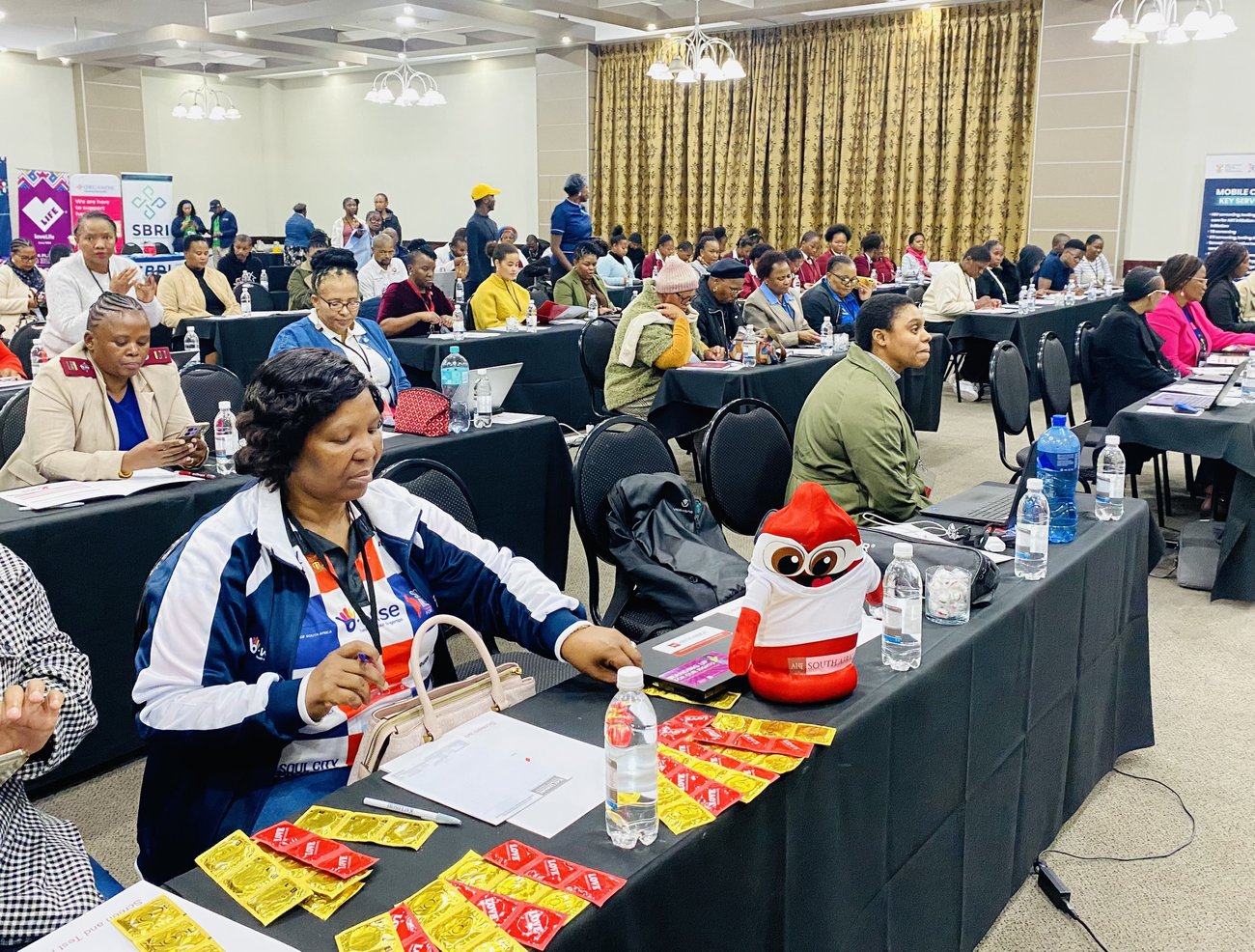
AHF distributed more than 1,000 free condoms to youth participants. |
|
|
With adolescent girls disproportionately affected by HIV, AHF advocated for empowering them with sexual health knowledge and greater access to condoms, which is critical to reducing both unplanned pregnancies and HIV. Participants also highlighted the power of technology and social networks to spread accurate sexual health information to more young people across the province. |
|
|
|
Building on the conference, AHF and partners hosted a webinar to share best practices from schools that have curbed unplanned teenage pregnancy rates, aiming to ensure long-term solutions for girls in the Eastern Cape.
AHF has worked in South Africa since 2002, when it opened its first global clinic in Umlazi. Today, it has expanded to 61 facilities across four provinces, serving more than 260,000 clients. |
|
|
|
|
|
|
Now Streaming: Don’t Miss the Latest Episode |
|
The second episode of The Global Public Health Revolution: Beyond 2025 podcast, From Tokenism to Power: Reclaiming Civil Society’s Voice in Global Health, is now streaming! This time, we explore why civil society organizations—despite being on the frontlines of global health emergencies from HIV to Ebola to COVID-19—are still excluded from the rooms where decisions are made. |
 |
 |
|
|
 |
|
|
|
Click to follow us on social media. |
|
|
|
|